Your Audit Is Done. Now What Do You Test First?
In today’s digital era, the website is vital for any business seeking online success.
The main objective of having a website is to convert visitors into customers. But, what happens if your website is underperforming?
Well!! If there’s an issue having conversions, it can be frustrating and unfavorable to your business. Don’t worry, you are not alone.
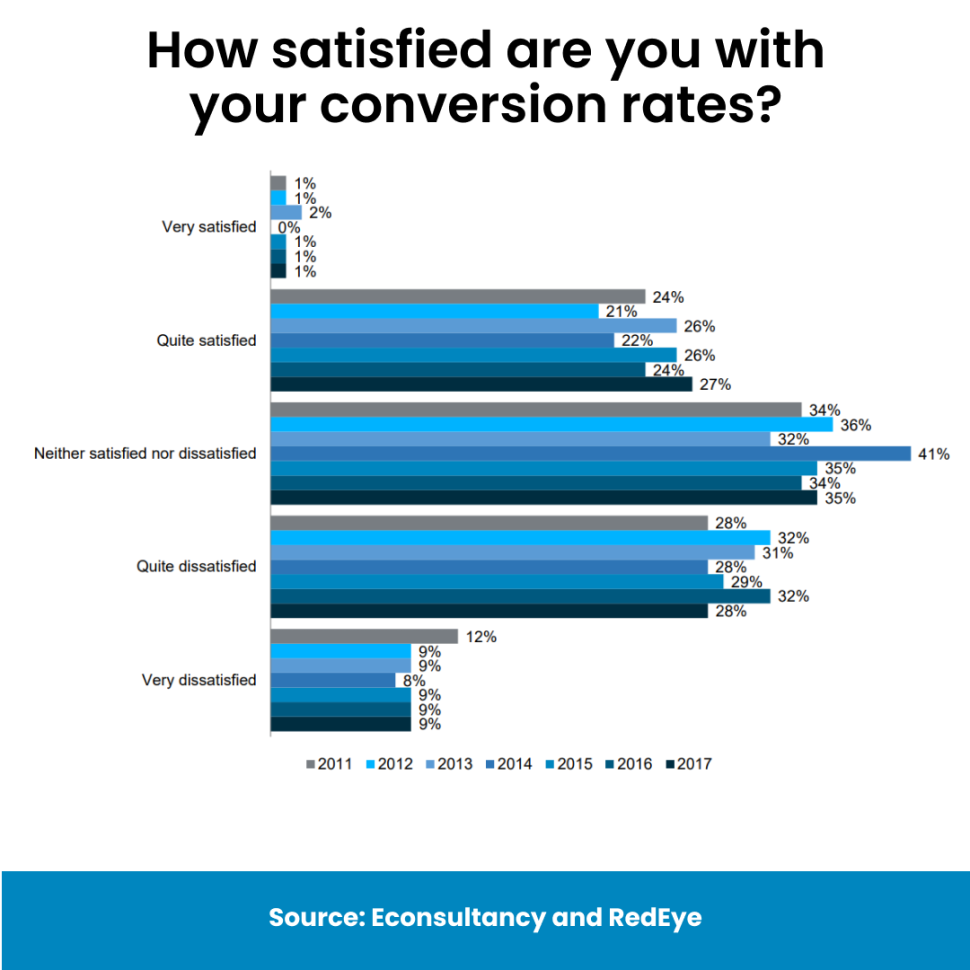
According to a collaborative report by Econsultancy and Redeye, about 27% of businesses are satisfied with their conversion rates. While remaining businesses struggle with website conversion problems and landing page optimization, the good news is that these problems can be resolved.
In this blog post, we will go over the reasons why your website may not be converting and offer practical solutions to address these issues.
Common issues such as poor design and user experience, a lack of clear and compelling messaging, and technical issues will be discussed. We will also provide suggestions on how to improve the overall performance of your website in order to increase conversions.
By the end of this blog, you will have a clear understanding of why your website may not be converting, and also have actionable steps to increase website performance and conversions.
Let’s geek out!
Any business that wants to establish an online presence and reach a larger audience in the digital age must have a website.
However, having a website alone is not sufficient to increase sales and generate revenue. The main objective of any website is to convert visitors into clients and customers. If your website is not converting, it could be a serious issue for your company.
There can be numerous reasons why your website may not be generating conversions. It could be due to poor ui ux web design, ineffective call-to-actions, a lack of social proof, slow loading speeds, or simply failing to meet the needs and expectations of your target audience. In order to improve your website’s conversion rates, it is essential to identify the specific issues preventing it from performing better.
In this section, we will examine the most common reasons why websites fail to convert.
The design of a website plays a crucial role in converting visitors into customers. According to GoodFirms survey on website design, a non-responsive design is the main reason for 73.1% of visitors to leave a website. A poorly designed website can result in high bounce and low conversion rates.
A bad ui ux web design can cause confusion and frustration to visitors, making it difficult for them to navigate and find what they are looking for. This can lead to a negative user experience, making visitors leave the site before any purchase. In addition to aesthetic appeal, website design also affects functionality.
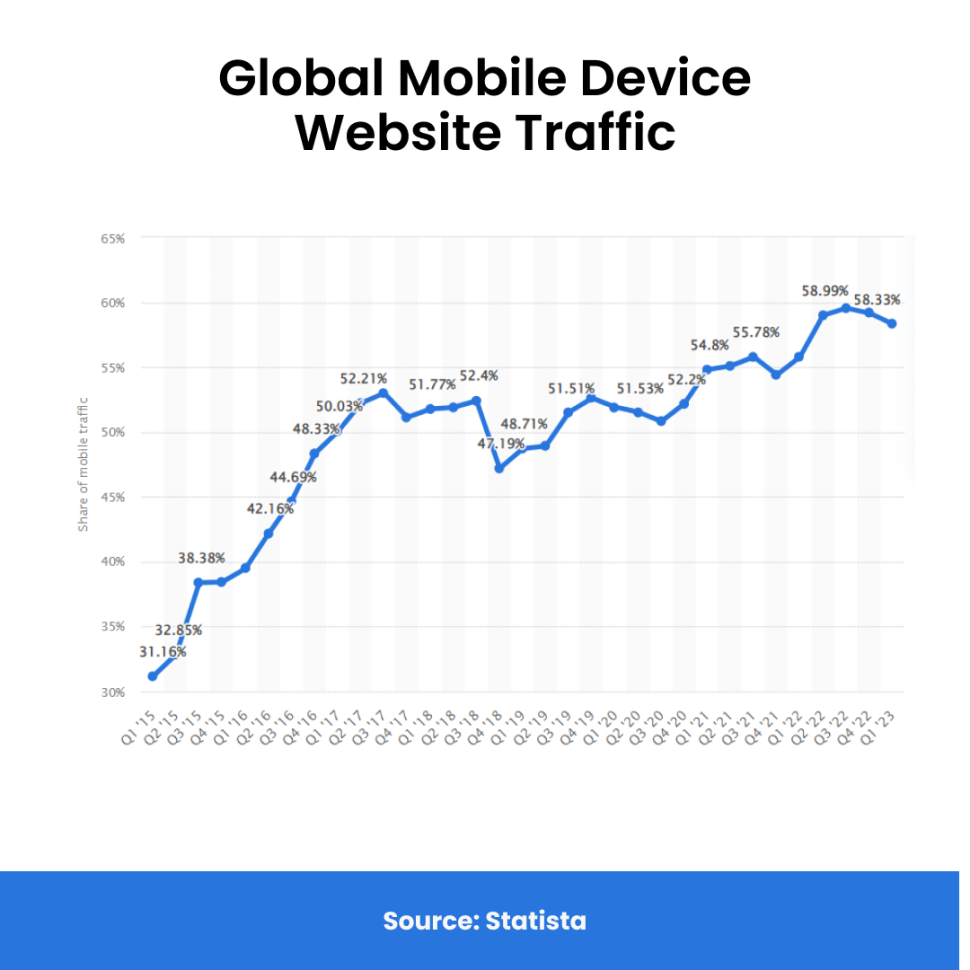
As per Statista, in the first quarter of 2023, 58.3% of global website traffic was generated via mobile phones. This indicates that websites that lack mobile optimization may lose potential customers.
The checkout procedure is an integral part of the conversion rate e-commerce websites. It is the point at which a visitor converts into a customer, and any complications can lead to lost sales.
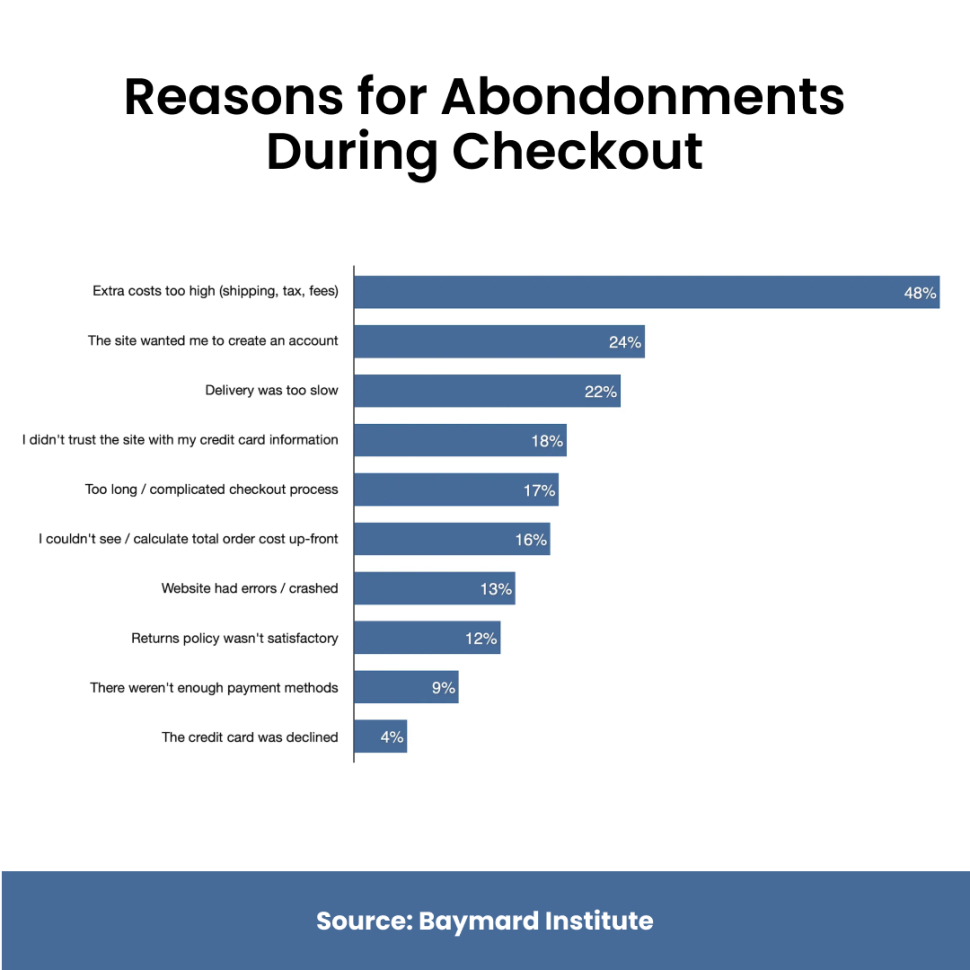
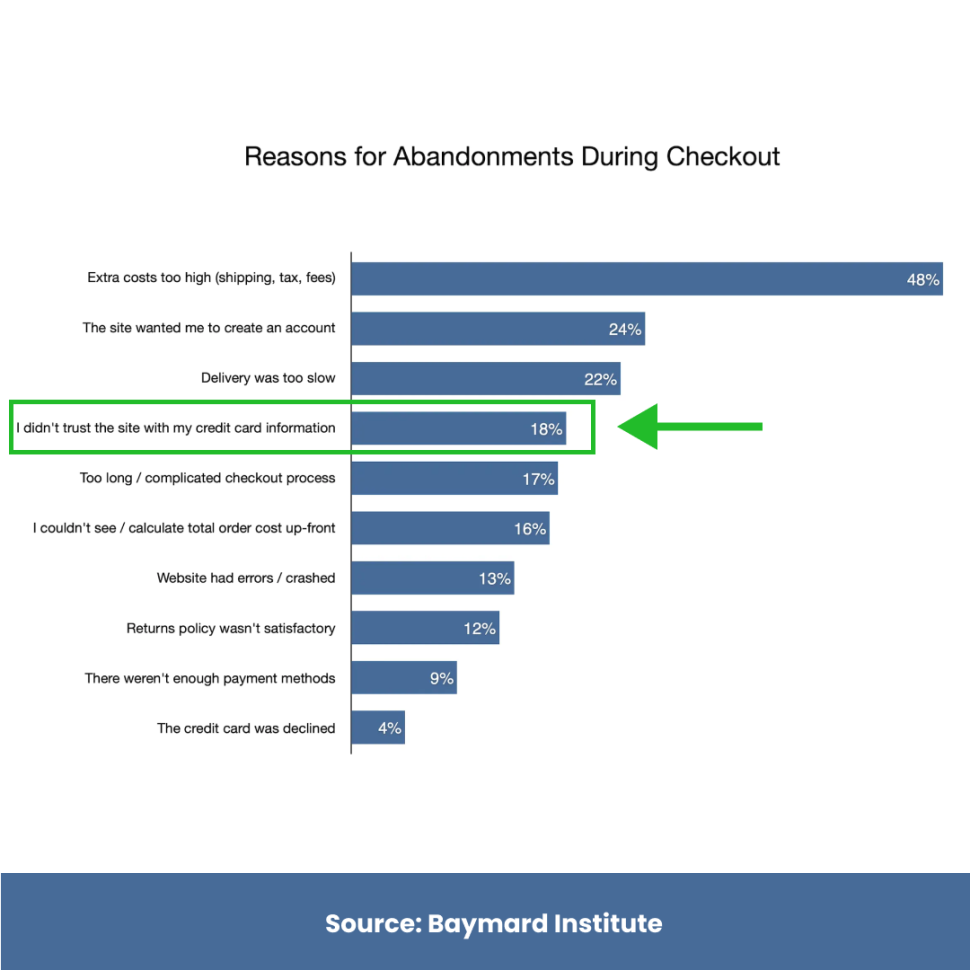
Account creation requirements, lengthy forms, unclear shipping and payment options, and hidden fees can all create a frustrating checkout experience. As per the Baymard Institute, 17% of consumers found the checkout process too lengthy or complicated. A complicated checkout process can significantly contribute to high shopping cart abandonment rates.
Additionally, trust is an essential component of online transactions. During the checkout process, a lack of transparency or unclear policies can also cause visitors to abandon their carts and seek out a more trustworthy alternative.
The speed of a website is another critical factor in converting visitors into customers. Users expect websites to load quickly and effectively in the current, fast-paced digital world.
Customer can become impatient and lose confidence in the website and its brand if it loads slowly. A slow website loading speed can lead to an poor user experience, resulting in high bounce rates and low conversions.
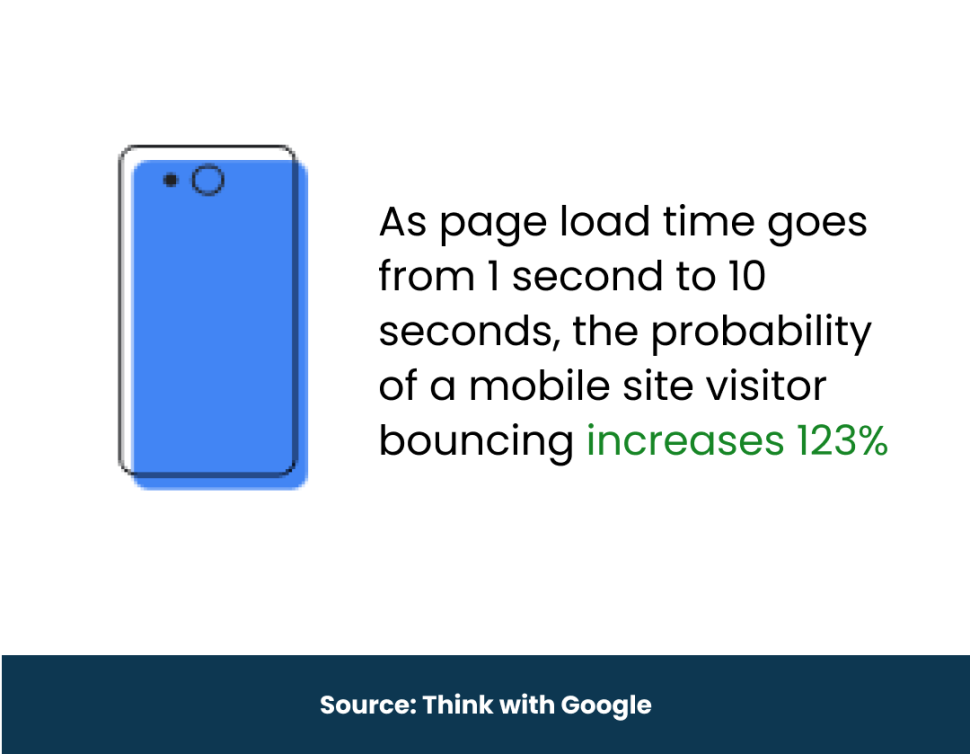
According to Google, the probability of a mobile site visitor bouncing increases by 123% if the site takes one to ten seconds to load.
Websites that load quickly are given preference by search engines like Google. If a website is slow to load, it can negatively impact its visibility in search results, reducing traffic and potential conversions.
Navigation is one of the most critical aspects of a website. It helps visitors to find what they are looking for quickly and easily.
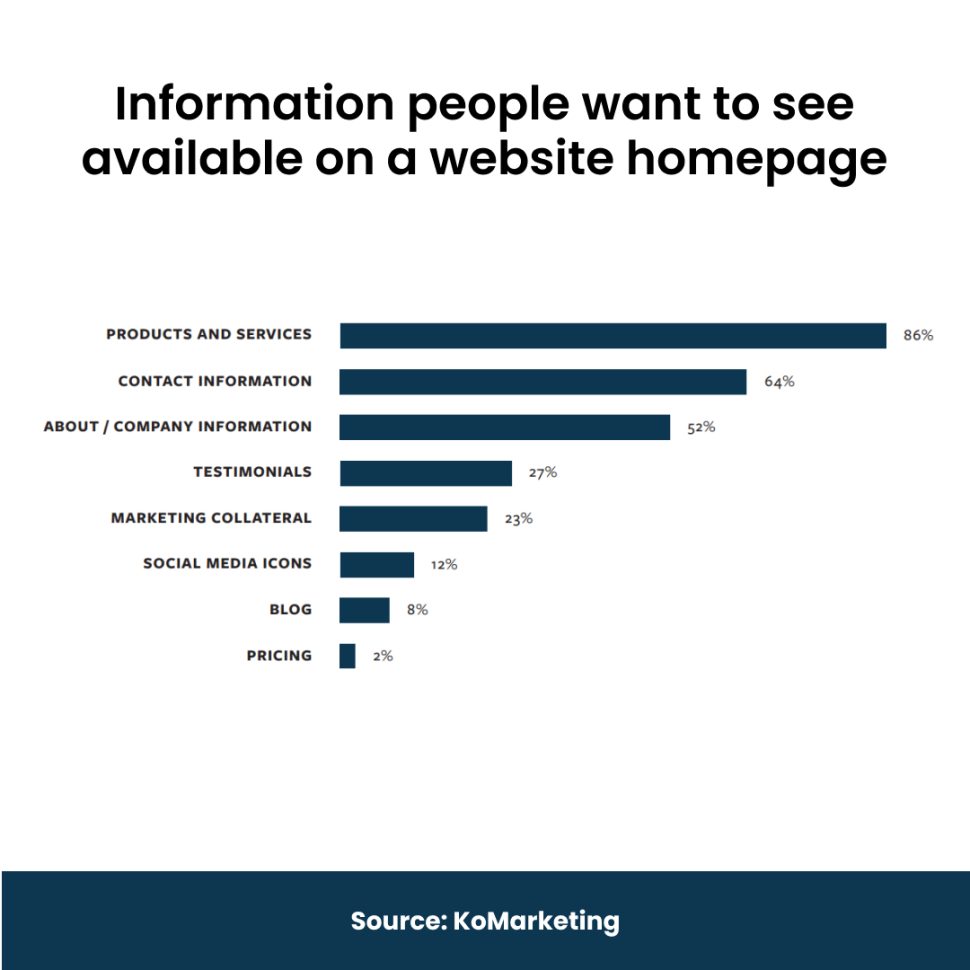
According to a survey by KoMarketing, 86% of website visitors expect to find information about products or services easily. Poor website navigation can lead to high bounce rates as visitors struggle to find what they need. If visitors cannot easily navigate a website, they are likely to leave and find an alternative site that provides better navigation options.
Poor website navigation can result from a lack of clear categories and subcategories, confusing menus, or unclear labeling of links. Visitors may also struggle to find a search bar or other tools to help them find what they need.
Call-to-action (CTA) buttons are essential for converting visitors into customers. A CTA is a button or link that prompts the visitor to take action, such as making a purchase or filling out a form. Visitors may leave a site without converting without clear and prominent CTA buttons.
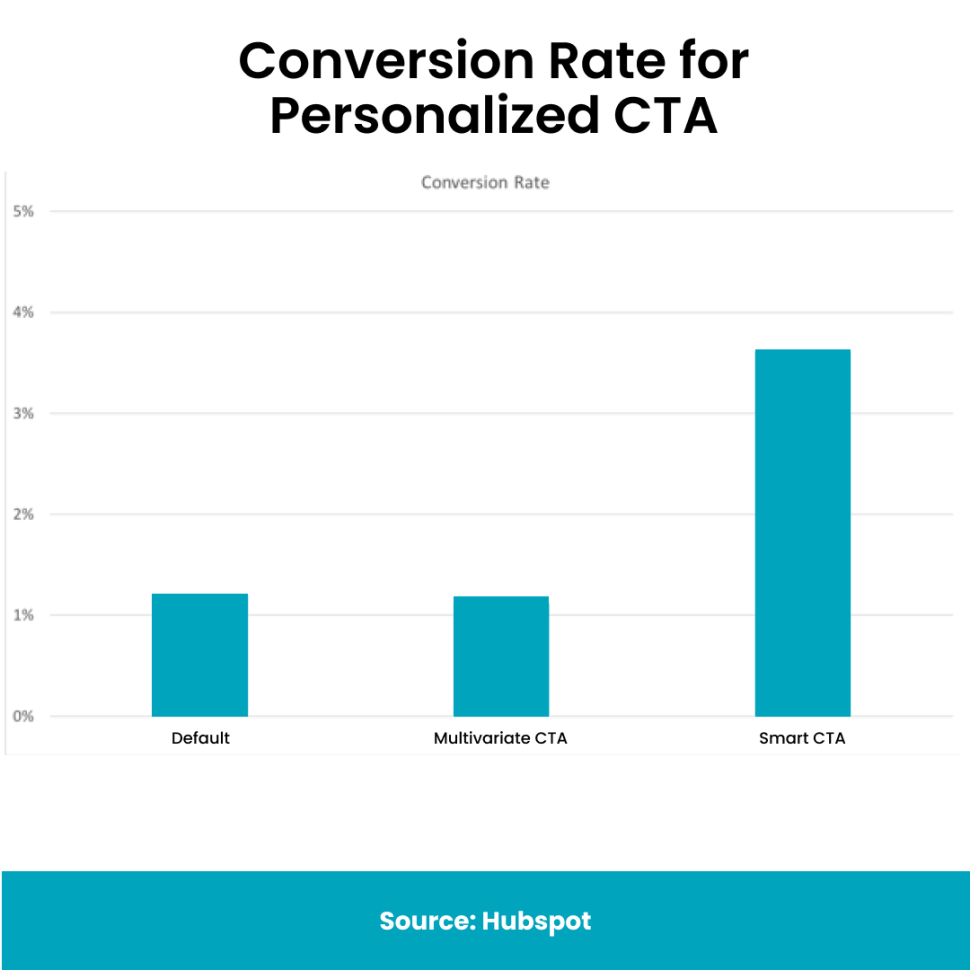
According to research conducted by Hubspot, call-to-action that includes the searched keywords can increase conversion rates by as much as 87%. Also personalized CTA is 202% more effective than generic CTA.
A lack of call-to-action optimization can lead to confusion for visitors, as they are unsure of what action to take.
However, overwhelming a website with too many CTA can make things worse. Instead, it is advisable to strategically place a reasonable number of CTAs throughout the website to avoid confusing visitors and weakening the effectiveness of the overall message.
A cluttered website with numerous CTAs can distract users from the primary goal of the website, leading to reduced engagement and conversion rates. Therefore, it is recommended to consider call-to-action optimization to ensure all CTAs are clear, relevant, and consistent with the website’s purpose.
Inadequate product information can be a major cause of why your website is not converting.
When customers visit your website, they want to know everything about your products or services before making a purchase decision. If your website does not provide sufficient and clear information about your products, customers may leave without making a purchase.
One of the most common issues with inadequate product information is a lack of details about the product’s features, benefits, and specifications.
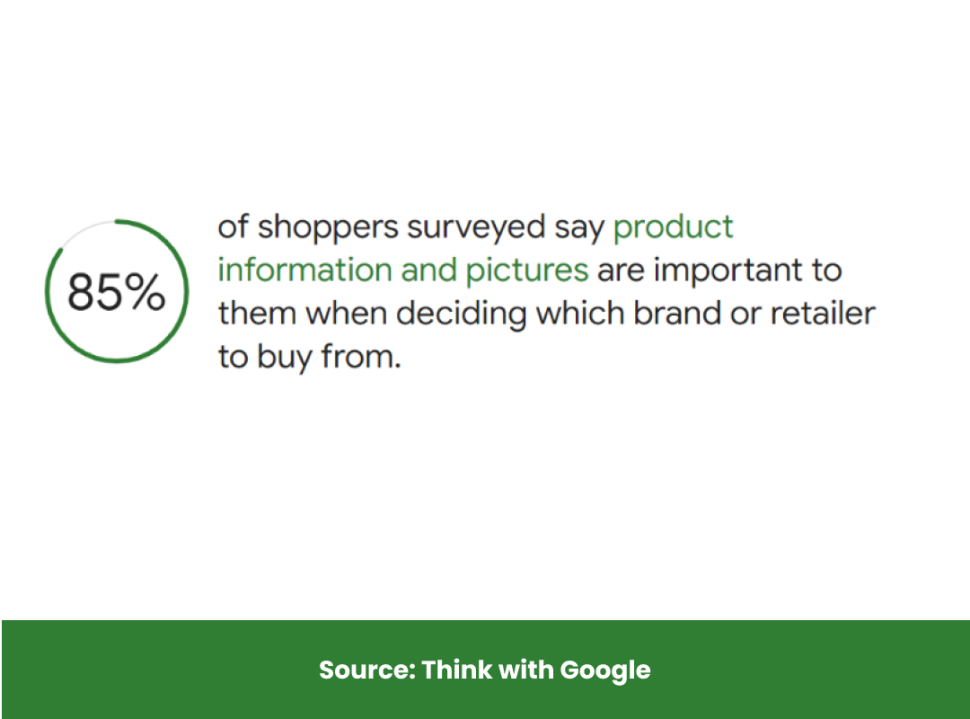
Google’s research reveals that when it comes to making purchasing decisions, 85% of shoppers consider product information and images as crucial factors in choosing a brand or retailer.
Customers want to know what they are getting and how it will benefit them. If your website does not provide this information, customers may feel uncertain about the product and decide not to buy.
In today’s digital age, customers expect to see high-quality images and videos to help them make informed purchase decisions. Without these visuals, they may be less likely to convert. Additionally, not having enough clear visuals, such as product images or videos, can make it difficult for customers to get a good sense of the product.
In today’s digital age, consumers can access vast information about products and services. They are likely to do research before purchasing, and customer reviews play a crucial role in their decision-making process.
According to Forbes article, 84% of millennials, do not trust traditional advertising.
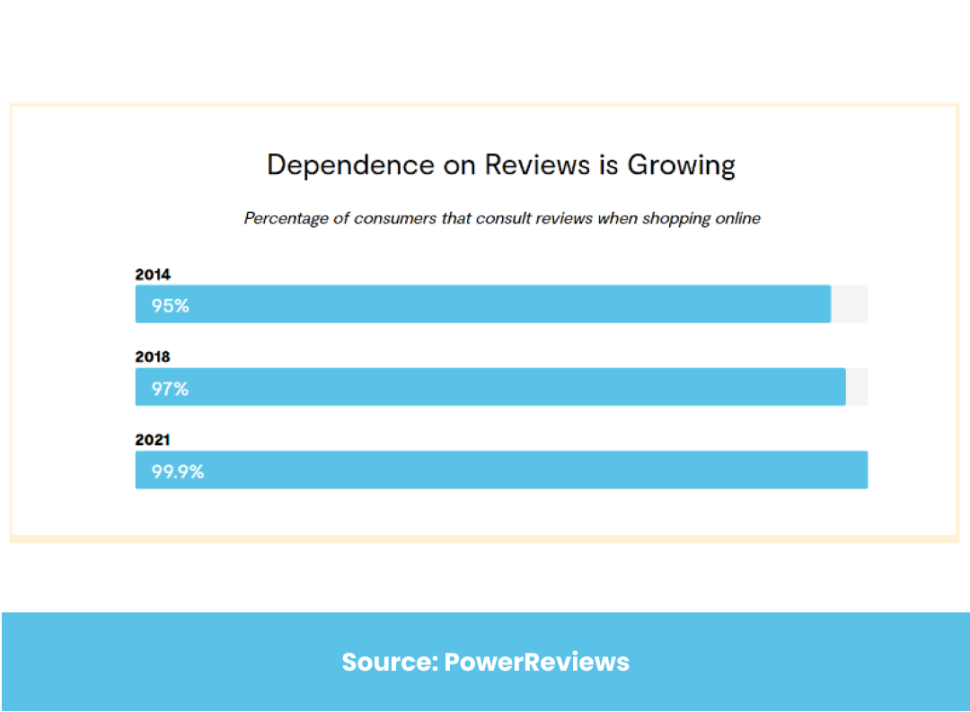
While, according to a survey by PowerReviews, over 99.9% of online shoppers read reviews. A website’s lack of customer reviews can be a significant problem for businesses looking to convert visitors into customers.
Without customer reviews, potential customers may be hesitant to purchase products or services, as they have no way of knowing if the quality of the product or service is up to their standards.
This lack of social proof can create doubt and uncertainty, leading to decreased trust in the brand and, ultimately, lower conversion rates. Furthermore, the absence of customer reviews can also indicate a lack of engagement with the brand.
For websites to convert visitors into paying customers, trust is essential. Visitors who do not trust a website are unlikely to make a purchase.
Trust signals are indicators that a website is legitimate and trustworthy, such as customer reviews, visuals, logos, etc. Insufficient trust signals can lead to a lack of trust in a website, causing visitors to leave without making a purchase.
Websites should ensure they have appropriate trust signals, such as SSL certificates, secure payment options, and customer reviews.
Research suggests that trust signals are critical for converting visitors into customers. In a survey conducted by Baymard Institute, 18% of respondents said that they abandoned a cart because they did not trust the website with their credit card information.
Therefore, it is essential to have adequate trust signals in place to build trust with potential customers and increase the likelihood of conversion.
In addition, websites should ensure that they have clear and transparent policies, such as shipping and return policies. Lack of transparency can lead to a lack of trust in a website, causing visitors to leave without making a purchase. Ensuring that customer service is readily available and responsive to inquiries or concerns is also essential.
One of the main reasons why a website may not be converting customers might be due to limited payment options. Today consumers can choose from a variety of payment methods. The shift to online shopping has been accelerated by the global pandemic.
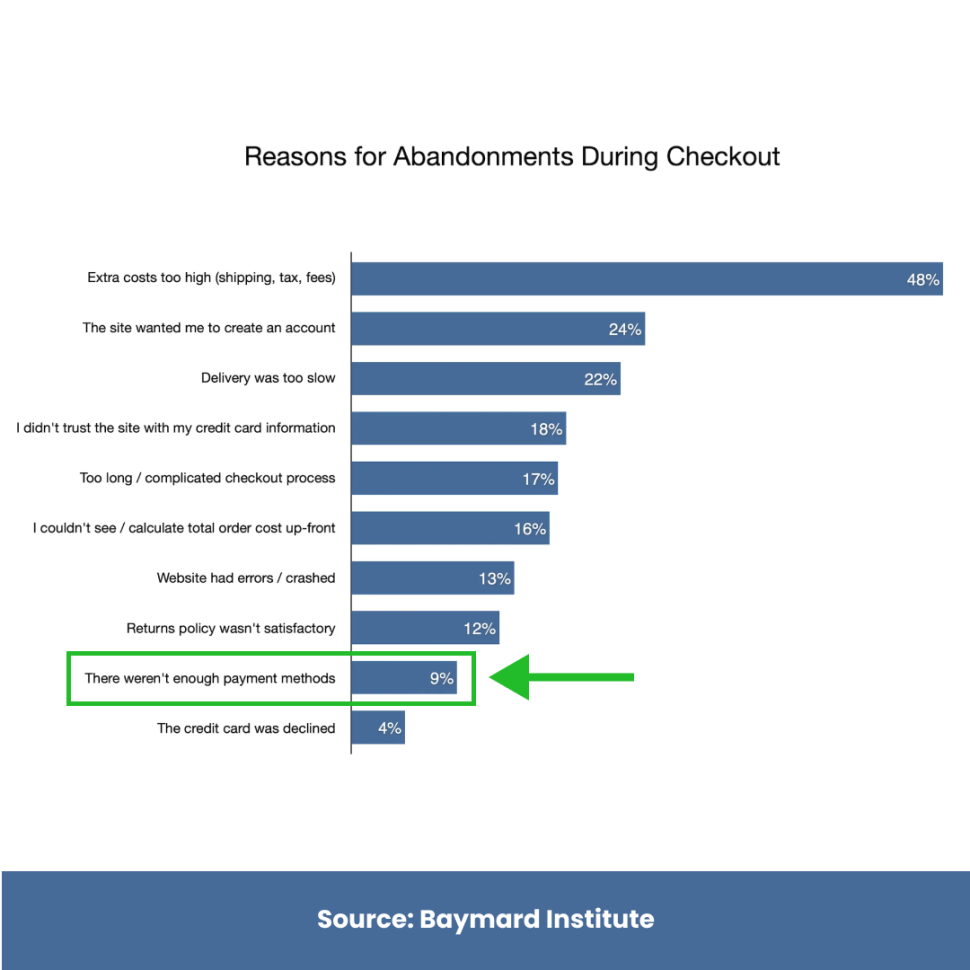
According to Baymard Institute survey, another reason for cart abandonment is the lack of payment options. About 9% of the survey respondents abandoned their carts because the website did not accept their preferred payment method. This translates to a significant loss of revenue for online businesses, as customers who encounter payment issues are less likely to return to the website in the future.
So, with more customers making online purchases, it has become crucial for businesses to provide various payment options to cater to their diverse customer base. If a website fails to provide a convenient and secure payment option that matches their preferences, it may lead to shopping cart abandonment and lost sales.
Another factor that can contribute to a website’s low conversion rate is poor customer service. Consumers expect a seamless and hassle-free shopping experience, and if they encounter any issues or have questions, they expect prompt and helpful assistance from the business.
In a survey by Microsoft, 96% of consumers said that a brand’s customer service was a key determinant for them to choose brand loyalty. The same survey also found that 54% of consumers have higher customer service expectations than one before.
This resulted in 56% of customers have stopped purchasing from a brand due to poor customer service. While all over the world 67% of the customers enjoy receiving proactive notifications.
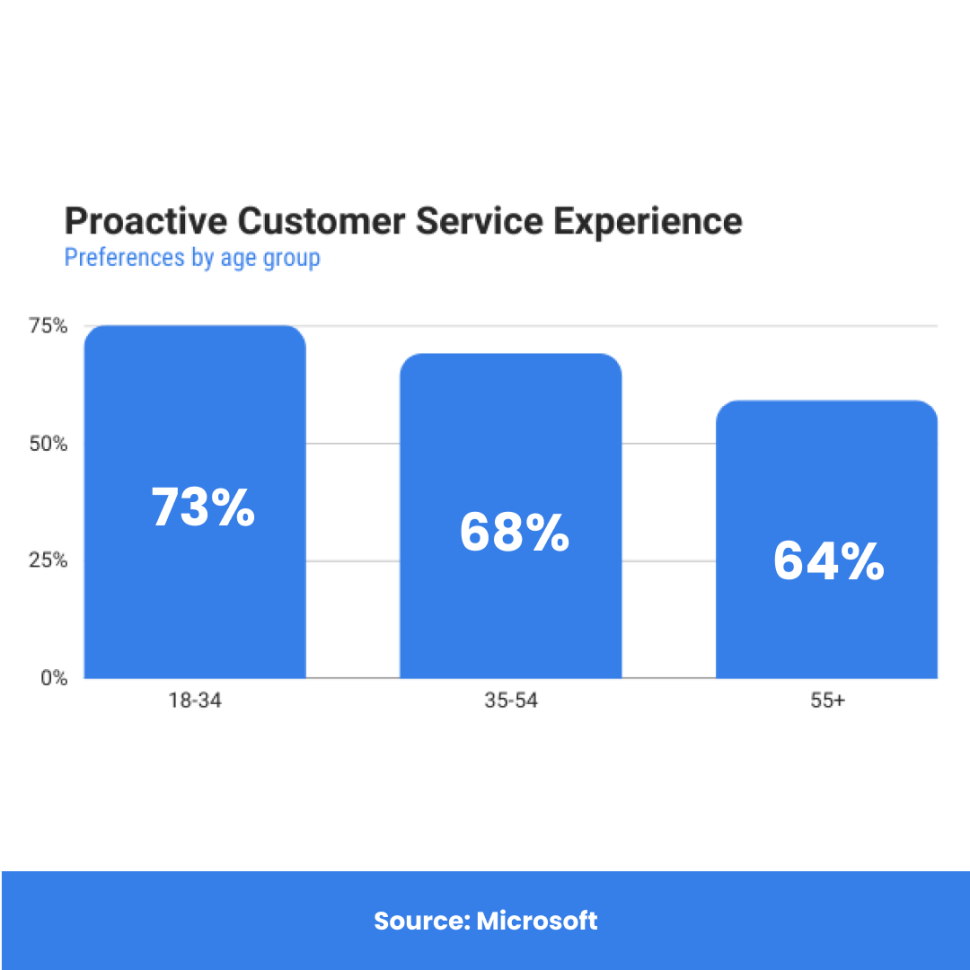
In the online realm, poor customer service can manifest in various ways, such as slow response times, unhelpful customer service representatives, and a lack of self-service options. It can lead to negative reviews, reduced customer satisfaction, poor conversion psychology and, ultimately, lost sales.
In today’s competitive market, businesses need to clearly communicate what sets them apart from their competitors and how they can solve problems and meet the needs of their target audience. The benefits of a product or service are communicated to potential customers through a value proposition.
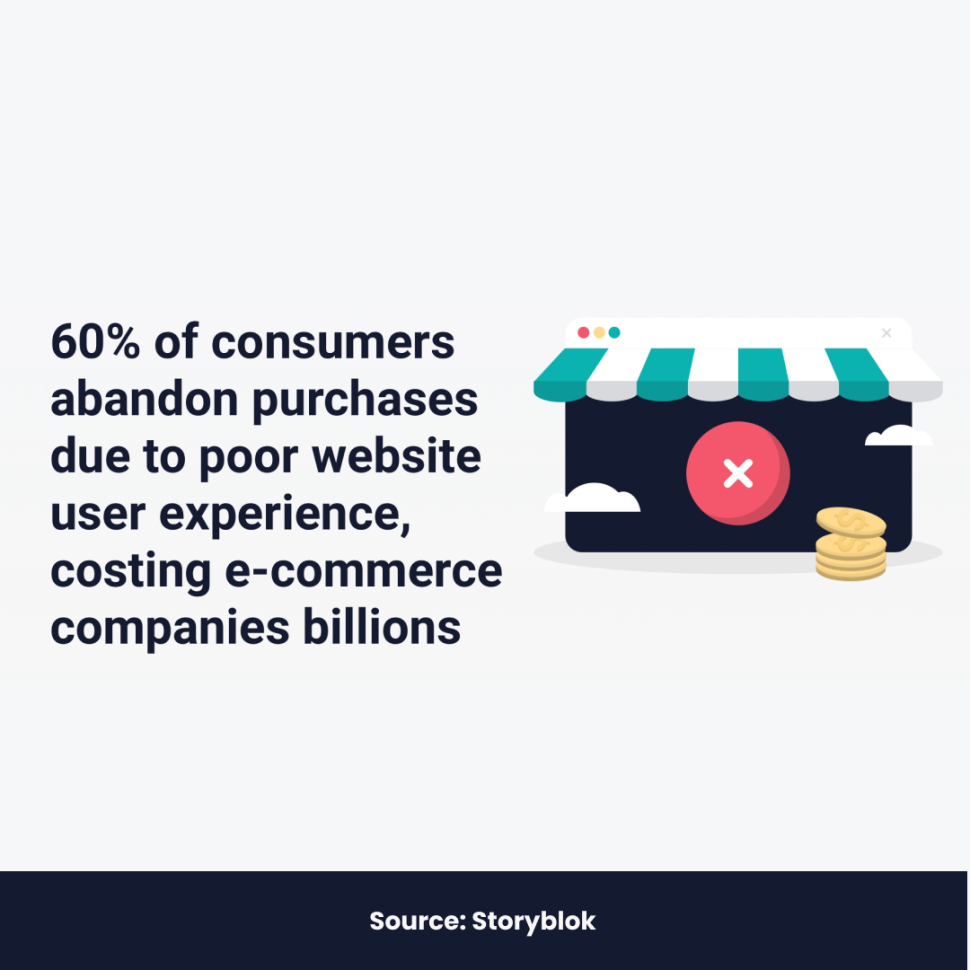
A clear value proposition is critical for any business looking to attract and convert visitors to its website. According to a survey conducted by StoryBlok, 60% of consumers abandon websites due to poor user experience.
Without a clear understanding of their unique value, businesses may struggle to communicate their message and connect with their target audience effectively. Additionally, a lack of a clear value proposition can indicate a lack of focus and direction for the business.
Another key factor that can contribute to a website’s low conversion rate is ineffective copywriting. Copywriting refers to the text content on a website, including product descriptions, headlines, and call-to-actions. If the copywriting fails to engage and persuade the target audience, it can result in lost sales.
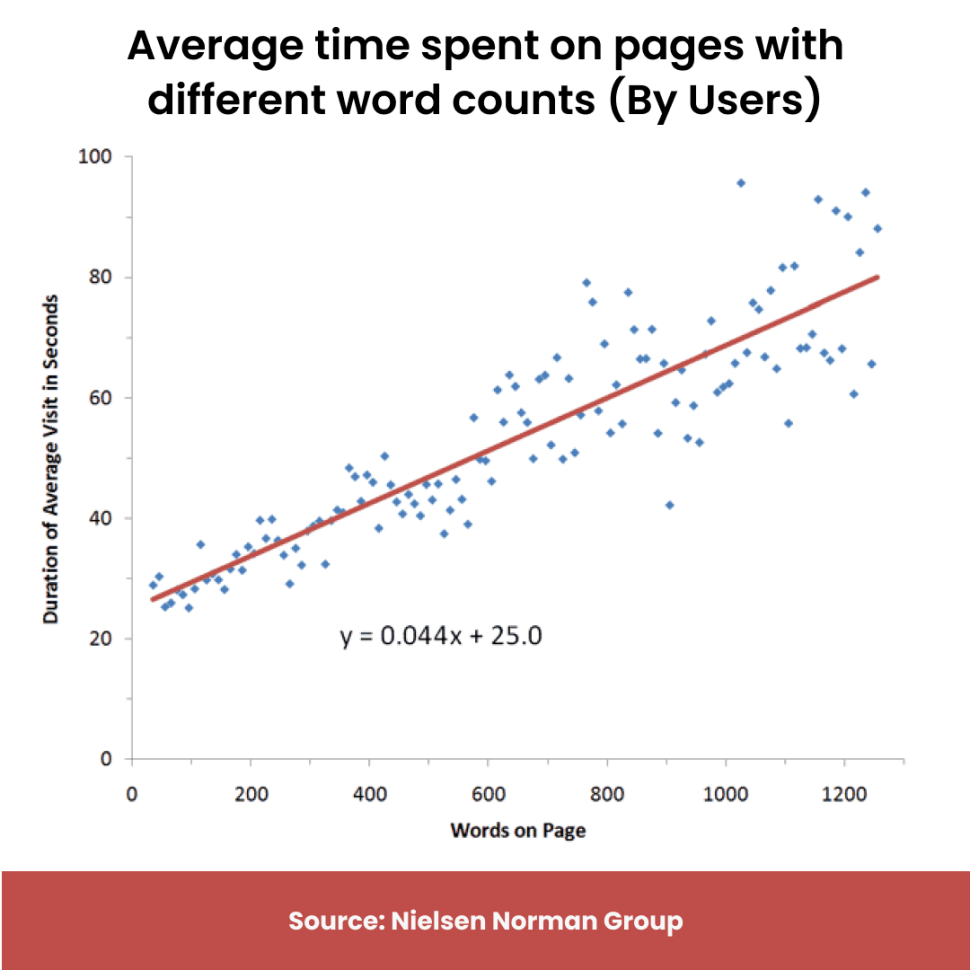
According to a survey conducted by Nielsen Norman Group, users read only 20-28% of the words on a web page during an average visit, indicating that businesses have a limited window to capture their attention. Ineffective copywriting that is too lengthy, jargon-heavy, or fails to address the user’s needs can result in a high bounce rate and low conversion rate.
Furthermore, the pandemic has led to a surge in online shopping, with consumers spending more time online than ever. With increased competition, businesses must ensure their copywriting is clear, concise, and persuasive to stand out from the competition.
Another factor that can contribute to a website’s low conversion rate is the lack of mobile optimization. Research has shown that over 58.33% of all website traffic comes from people using mobile devices. With the rise of mobile devices, more and more consumers are accessing websites on their smartphones and tablets.
A website’s failure to optimize for mobile devices can lead to a poor ui ux web design and lost sales.
According to Google 61% of users are unlikely to visit a mobile site again after having trouble logging in. Therefore, businesses that fail to optimize their website for conversion rate optimization for mobile devices may be missing out on a significant portion of potential customers.
Another primary reason why a website may fail to convert visitors into customers is not targeting the right audience. Understanding who your target audience is and what they’re looking for is important. Failing to identify your target audience accurately means that your website may not be engaging or persuasive enough to encourage visitors to take the desired action.
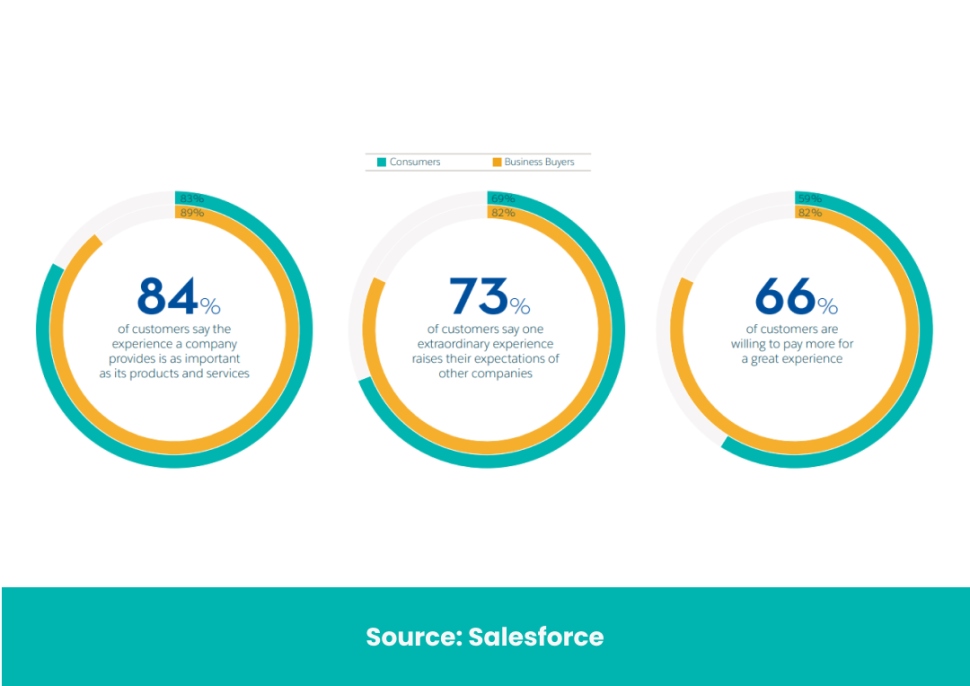
According to a Salesforce report, 71% of customers expect companies to engage with them in real time. While 56% of them expect to find whatever they require within three clicks or less.
Additionally, it’s essential to optimize your website for search engines and ensure that your content is valuable and relevant to your target audience. If your website is not showing up in search results, it’s possible that your target audience may never find you.
Ignoring Search Engine Optimization (SEO) can be a significant factor in understanding why a website is not converting.
SEO is the process of optimizing a website to rank higher in search engine results pages, which can drive more traffic to your website. SEO also plays a critical role in helping your website convert visitors into customers.
According to a study by BrightEdge, organic search is the largest driver of website traffic, with 53.3% of website traffic coming from organic search. Therefore, ignoring SEO can lead to missed opportunities for website traffic and potential customers.
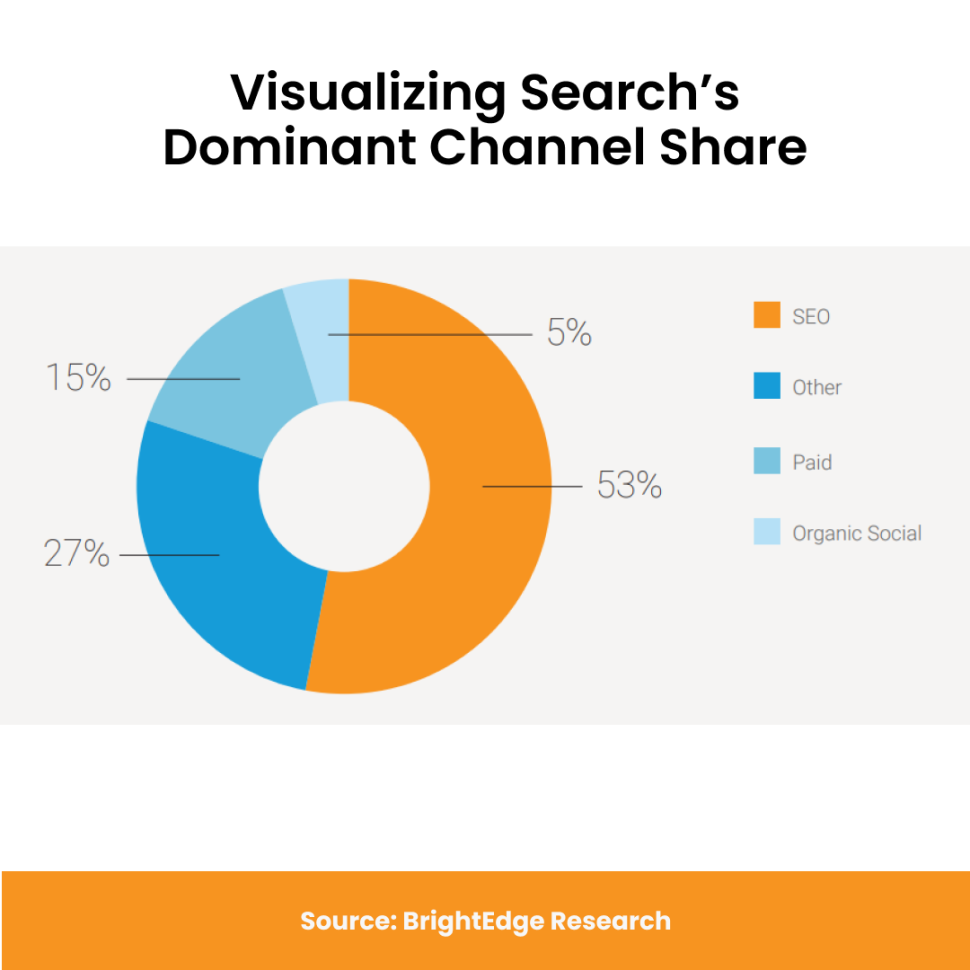
If your website is not optimized for search engines, attracting the right traffic to your site may be challenging. For example, if your website sells shoes, but you’re not targeting the right keywords, then people searching for shoes won’t find your website in their search results. Instead, they’ll find your competitors’ websites, and you’ll miss out on potential customers.
In today’s digital age, social media has become a powerful tool for businesses to promote their brand, products, and services and interact with customers. Ignoring social media marketing can be a significant problem for businesses, as it limits their ability to connect with their target audience and build relationships.
54% of social media users use social media to research products, according to a survey by GlobalWebIndex, and 71% are more likely to purchase based on social media referrals, according to Hubspot.
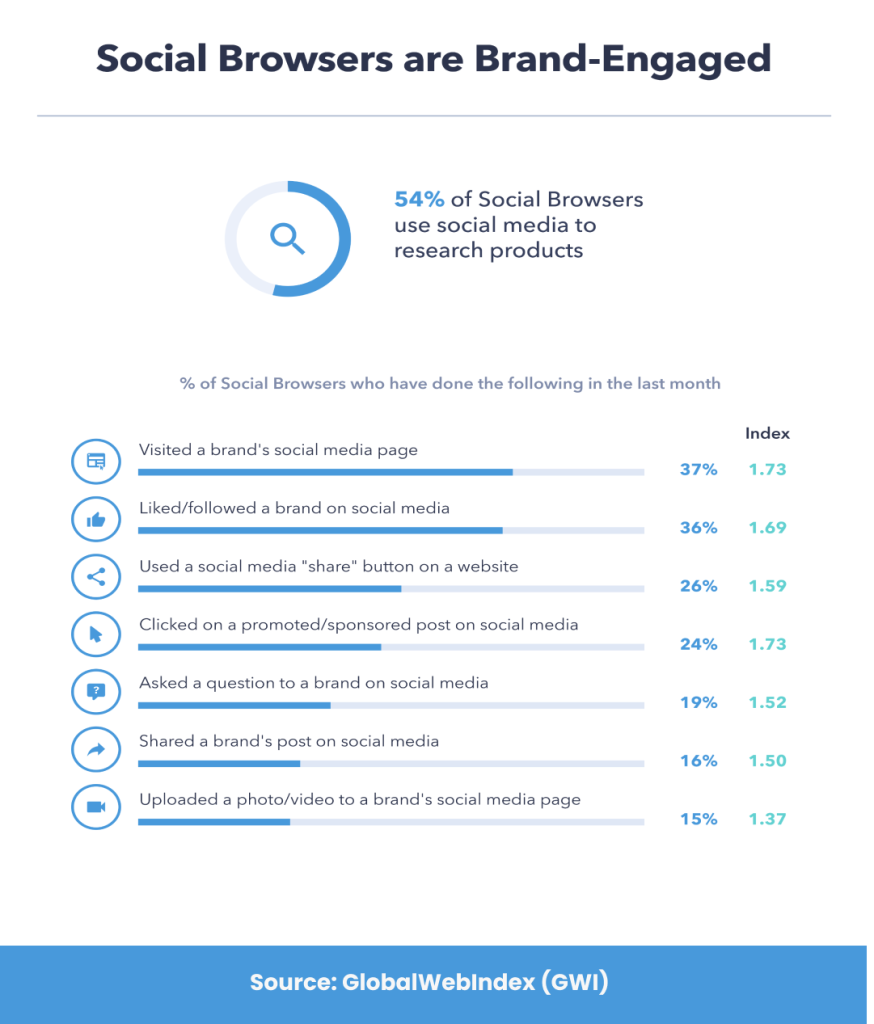
Failing to leverage social media can result in a lack of brand awareness and a limited reach. Social media platforms have billions of active users, and by ignoring them, businesses miss out on opportunities to connect with potential customers and expand their audience.
Not using data analytics for landing page optimization can be a significant problem for businesses, as it limits their ability to make informed decisions.
Without data analytics, businesses may make assumptions about visitor behavior and website performance, leading to wasted resources and missed opportunities.
One of the main problems with not using data analytics is the lack of insights into visitor behavior. Without data analytics, businesses are unable to track and analyze metrics such as bounce rates, time on page, and click-through rates, which can provide valuable insights into how visitors interact with the website. This can result in missed opportunities to improve website performance and increase conversions.
Lengthy forms on a website can be a significant reason why it may not convert visitors into customers.
When a form is too long, and the form optimization has not been considered, or it asks for too much information, it can overwhelm potential customers and become a barrier to entry. Visitors can abandon the form or the website entirely, resulting in lost opportunities for conversion.
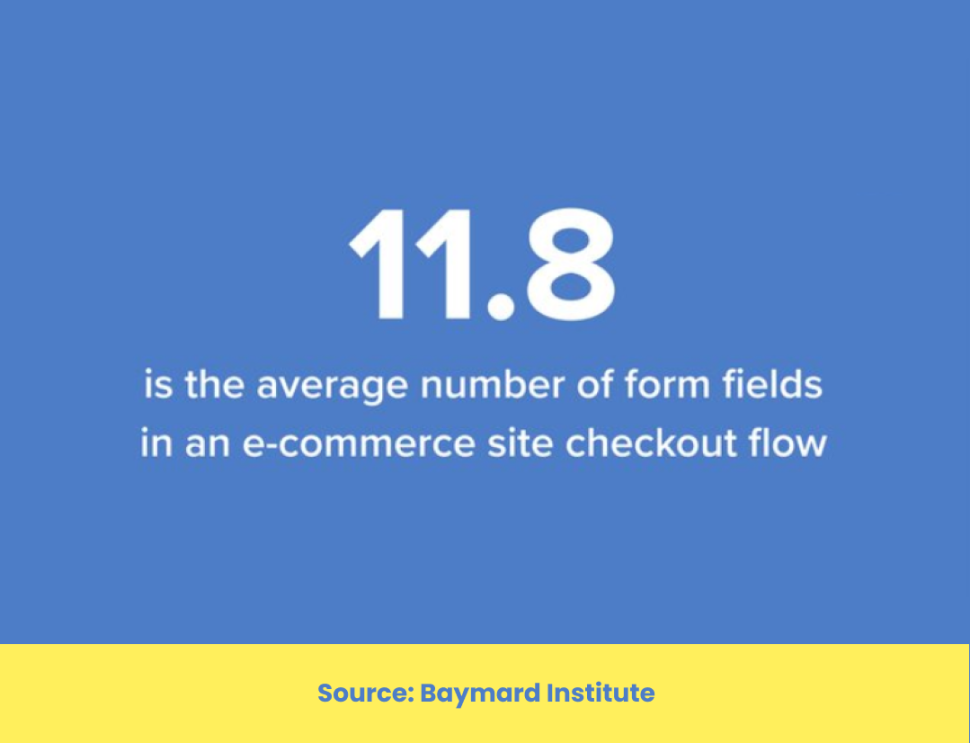
According to a study by Baymard Institute, the average checkout form has 11.8 form fields.
Lengthy forms can also lead to incomplete form submissions, as visitors may lose interest or become distracted before completing the form. This can result in inaccurate or incomplete information, making it challenging for businesses to follow up with potential customers.
Additionally, lengthy forms can create a negative user experience, leading to a lower likelihood of future engagement or conversion. Visitors who become frustrated or overwhelmed may develop a negative impression of the website and the business, leading to a decrease in trust and credibility.
An SSL certificate is a crucial security feature that websites need, to protect their customers’ sensitive information.
Without an SSL certificate, data such as credit card details, login credentials, and other personal information is vulnerable to interception by hackers.
According to GlobalSign, 85% of online shoppers abandon a purchase if they discover the website is insecure. Furthermore, Google has stated that websites without SSL certificates may be penalized in search rankings, negatively impacting their visibility and traffic.
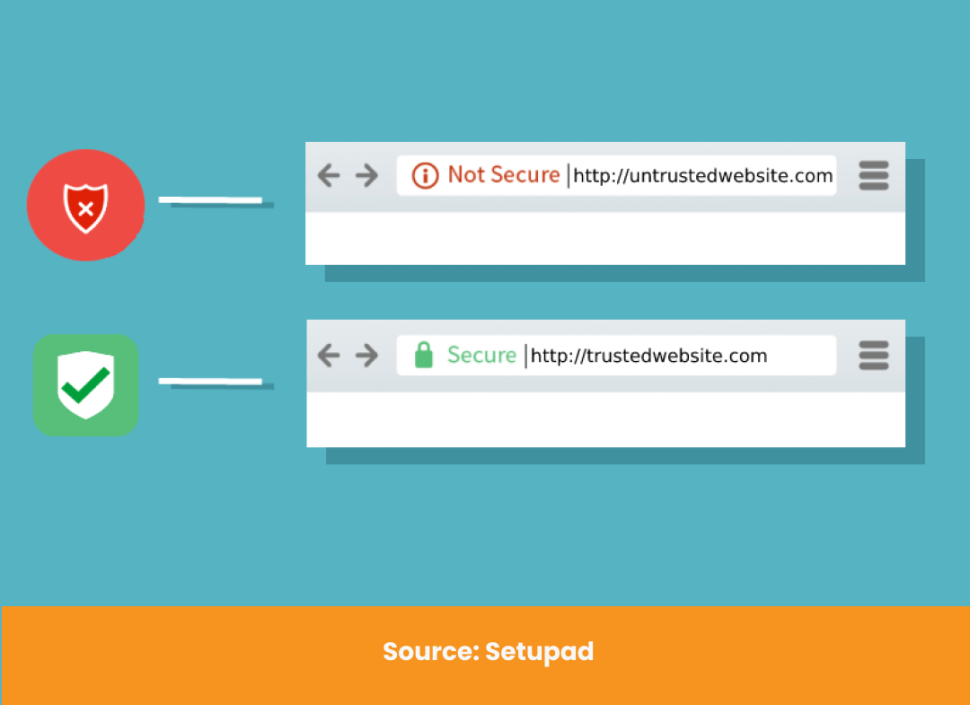
Websites that do not have an SSL certificate may be seen as untrustworthy and pose a risk to customers’ personal and financial information. Businesses must prioritize website security and obtain an SSL certificate to protect their customers and maintain their reputation.
Lastly, a website’s conversion rate is a critical metric that can significantly impact a business’s success.
To address the above-discussed issues and improve website conversion rates, it is crucial for businesses to have SSL certificates and a strategic conversion rate optimization approach.
In the next section, we will outline some effective strategies for enhancing website performance and driving revenue growth.
It can be extremely frustrating for a business owner to have a website that fails to convert. Fortunately, there are a number of strategies you can employ to improve the conversion rates of your website and increase your revenue.
Let’s have a look at the strategies that will help you overcome common website conversion issues and transform your website into a potent sales tool.
Improving website conversions is parallel to simplifying website design. A cluttered or confusing website can overwhelm visitors, causing them to leave without taking any action.
According to an Hubspot article, 38% of users will abandon a website if the content or design is unappealing. By simplifying the design of your website, you can make it easier for visitors to navigate and find the information they seek, thereby increasing the likelihood of conversions.
For example, removing unnecessary elements, employing a clean and consistent design, and organizing content into easy-read sections can all contribute to a simpler and more effective website design.
The checkout procedure is a crucial part of the customer journey and can substantially affect conversion rates.
According to Baymard Institute, the average shopping cart abandonment rate is 69.99%.
This indicates that by streamlining the checkout procedure using proper checkout optimization, businesses can reduce the number of navigational steps and make it simpler for customers to purchase the product.
Steps like using progress indicators, allowing guest checkout, and incorporating form optimization to reduce the number of form fields can all contribute to a more streamlined and efficient checkout process.
Images and videos of high quality can significantly impact website conversions.
According to an Adobe Digital report, Facebook posts with images generate 650% more engagement than posts with only text.
You can capture the attention of your visitors and convey your message more effectively by using high-quality visuals.
For instance, using product images that highlight the features and benefits of your product or service can encourage customers to make a purchase.
Improving website conversions is also dependent upon the website’s loading speed. A website that loads slowly can frustrate visitors and cause them to leave without taking any action.
According to Google, the bounce rate of a page increases by 32% as the page load time increases from 1 to 3 seconds.
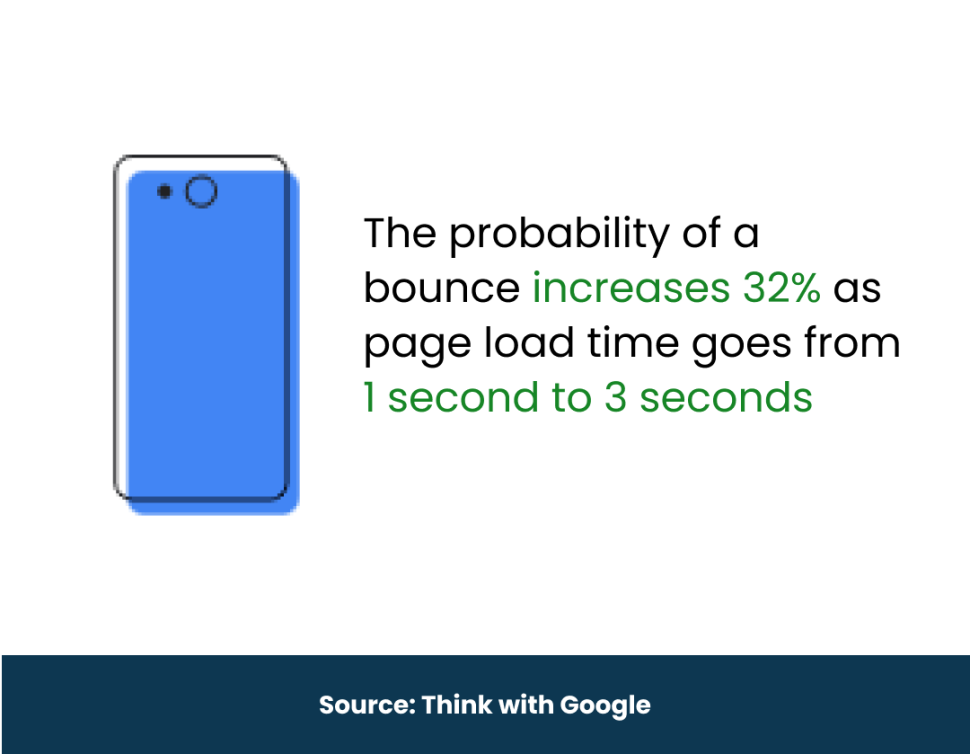
By increasing the loading speed of your website, you can decrease bounce rates and increase the likelihood of conversions. For instance, optimizing images, minimizing HTTP requests, and employing a content delivery network (CDN) can contribute to a website that loads more quickly.
Adding prominent call-to-action (CTA) buttons is essential for any website that seeks to convert visitors into customers or clients.
CTAs encourage visitors to perform a particular action, such as subscribing to a newsletter or making a purchase. You can increase the likelihood of a conversion funnel by making CTAs more prominent and persuasive.
For example, the use of contrasting colors, action-oriented language, and proper placement of CTAs can improve their visibility and effectiveness.
Social proof is an effective conversion psychology method for increasing website conversions. You can increase visitors’ trust and credibility by highlighting positive feedback from satisfied customer lead.
According to BrightLocal survey, 98% of consumers read online reviews of local businesses.
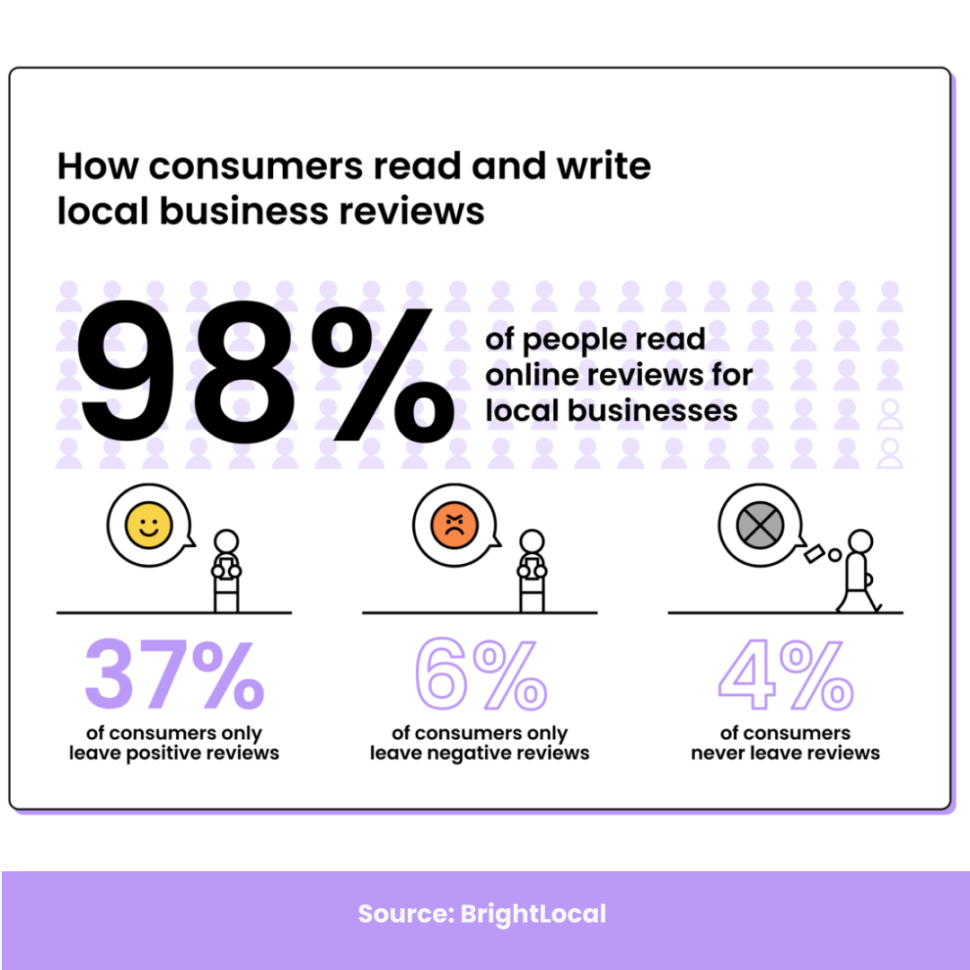
Social proof is present in a variety of formats, including customer testimonials, user-generated content, and social media mentions. Prominently displaying social proof on your website can increase the likelihood of conversions and encourage visitors to take action.
Providing comprehensive product information is crucial for converting website visitors into customers. This involves emphasizing the features, benefits, and distinctive selling points of your products and services.
By enhancing your product information, you can assist site visitors in comprehending how your offering can solve their problems or fulfill their needs.
For example, providing high-quality product images, detailed product descriptions, and displaying product demonstrations or tutorials can all enhance the product information experience for site visitors.
It is essential to offer competitive pricing in order to boost website conversions.
In the highly competitive online market of the present day, consumers have access to a vast array of products and services, and they are likely to compare prices across multiple websites before making a purchase decision.
If your prices are substantially higher than those of your competitors, you risk losing potential customers, and your conversion rates will suffer. It is essential to conduct market research and assess competitors’ pricing strategies to determine the optimal price point.
By comparing your prices to your competitors, you can identify areas to adjust your pricing strategy to become more competitive. For example, you could offer a discount to first-time customers or bundle products at a discounted rate. These strategies can encourage customers to purchase and increase the probability of repeat business.
Another effective technique for increasing website conversions is encouraging customer reviews.
Positive reviews can aid in establishing a site’s trustworthiness and credibility with new visitors and provide valuable feedback for enhancing the product.
A study by Spiegel Research Center found that products with at least five reviews have a 270% higher conversion rate than products without any reviews. You can increase the likelihood of conversions and cultivate customer loyalty by encouraging customers to leave reviews and prominently displaying them on your website.
Copywriting is essential for conveying your value proposition and persuading visitors to take action.
According to Crazy Egg, even minor copywriting modifications can increase conversion rates by as much as 30%.
By using persuasive language, addressing visitor pain points, and emphasizing the benefits of your offering, you can enhance the effectiveness of your website copy. This may include clear and concise headlines, persuasive product descriptions, and action-oriented language in your call-to-action buttons.
Effective copywriting can help distinguish your offering from that of competitors and increase the likelihood of conversions.
Customers appreciate the flexibility and convenience of multiple payment options, which can increase website conversions.
By accepting various payment methods, such as credit cards, PayPal, Apple Pay, and Google Wallet, you can accommodate a greater variety of customer preferences and increase the likelihood of completing a transaction.
As per the study by the Baymard Institute, 9% of shoppers abandon their carts because they cannot locate their preferred payment method. By offering multiple payment methods, you can decrease the likelihood of shopping cart abandonment and increase the likelihood of conversions.
Customer trust and loyalty can only be established through superior customer service. By responding quickly and effectively to customer inquiries and concerns, you can enhance the overall customer experience and increase the likelihood of repeat business.
In fact, according to the Help Scout article, 78% of consumers have abandoned a transaction or not made a planned purchase because of a negative customer experience.
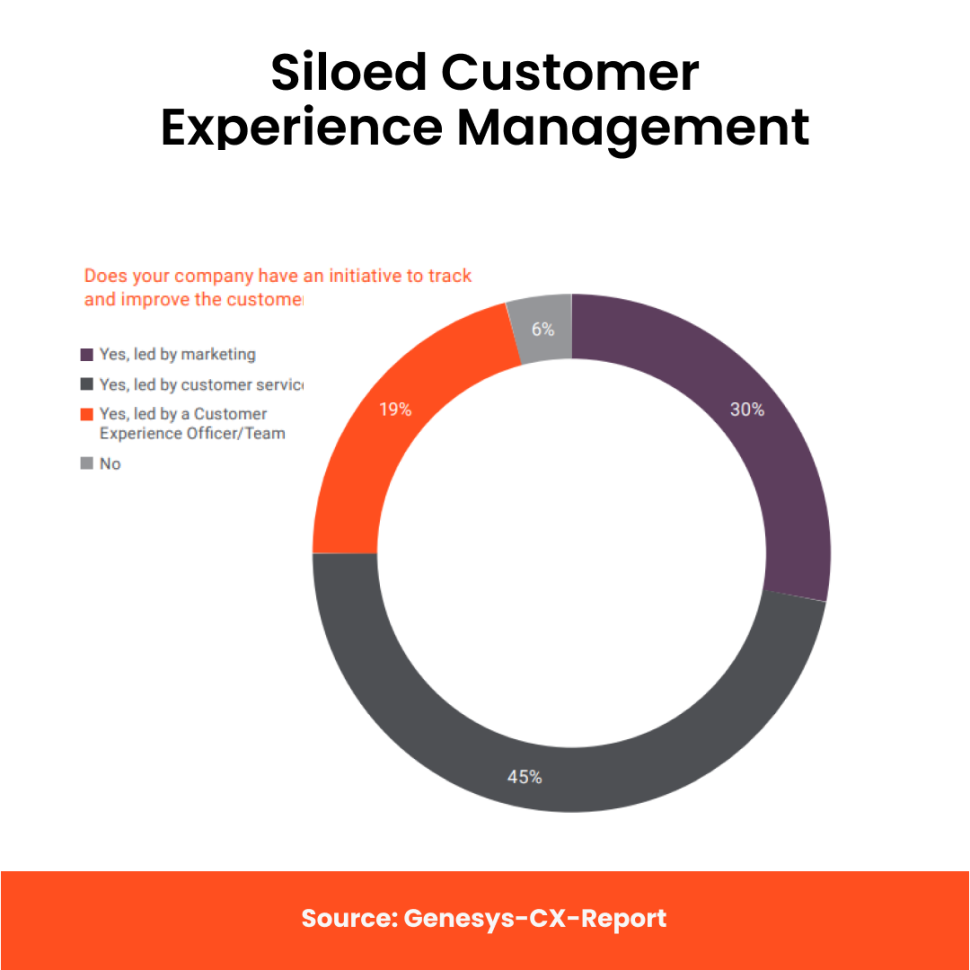
Whereas, according to a report by Genesys CX, a mere 19% of businesses have a specific team dedicated to managing the customer experience. You can increase customer satisfaction and conversion likelihood by prioritizing customer service and investing in conversion rate optimization tools like live chat and customer service portals.
A/B testing and multivariate testing is an effective method for identifying and optimizing variables that influence website conversions.
According to Adoric, 77% of companies are reported to be using A/B testing on their websites.
You can test various elements, including headlines, images, colors, and call-to-action buttons to determine which performs better by comparing two versions of a webpage or marketing campaign. This can assist you in optimizing your website and marketing strategies with data-driven insights.
For example, A/B testing can help determine the optimal placement of call-to-action buttons or the most effective messaging for a specific product or service. A/B testing allows you to optimize your website and marketing efforts for maximum conversions continually.
Improving website conversion rate is a continuous process that requires a comprehensive strategy. Businesses can optimize their websites for maximum conversions by implementing these strategies.
However, the work doesn’t stop there. Understanding the effectiveness of your website and marketing efforts requires measuring conversion rates. The next section will examine how to measure website conversion rates and identify improvement opportunities.
In today’s digital age, having a website is a necessity for businesses to thrive. You need to measure the effectiveness of your website to understand how it is contributing to your business goals. One of the key metrics to measure website effectiveness is conversion rate metrics.
This section provides an overview of how to measure website conversion rates, including setting up conversion tracking, analyzing conversion data, identifying trends and patterns, setting conversion rate improvement goals, and monitoring website conversion rates over time.
Setting up website conversion tracking is essential in measuring website conversion rates. Without conversion tracking, it is difficult to understand how users interact with your website and which actions lead to conversions. To set up conversion tracking, it is important to first define the specific actions you want to track. This could include actions such as purchases, form submissions, or phone calls. Once you have defined these actions, you can create conversion tracking codes and add them to your website. This process may involve working with website analytics tools such as Google Analytics, which provides free conversion tracking tools.
Once conversion tracking is set up, you can begin to collect data on user behavior and track the number of conversions over time. This data can provide insights into which pages on your website are performing well and which are not. Additionally, conversion tracking can help you identify which marketing campaigns generate the most conversions and which channels drive the most traffic to your website. By monitoring this data, you can make informed conversion rate optimization decisions about how to optimize your website and improve your overall conversion rate.
Analyzing website conversion data is crucial in understanding how your website is performing and identifying areas that need improvement. This step involves reviewing reports that show the number of conversions, conversion rates, and other key metrics. By analyzing conversion data, you can identify which pages on your website are performing well and which ones are not. Additionally, you can identify which marketing campaigns generate the most conversions and which channels drive the most traffic to your website.
To effectively analyze website conversion data, it is important to use various tools and techniques. For example, you may use A/B testing to compare the performance of different website elements or marketing campaigns. Additionally, you may use data visualization tools like heatmaps to help you identify trends and patterns in your data. By using various techniques, you can gain a more comprehensive understanding of your website’s performance and identify opportunities for improvement.
Once you have collected and analyzed website conversion data, it is important to identify trends and patterns in the data. This step involves reviewing historical data to identify changes in conversion rates over time and to identify factors that may be contributing to changes in performance. For example, you may notice that certain marketing campaigns consistently generate high conversion rates while others do not. You may also identify seasonal trends or changes in user behavior that impact website performance. By identifying trends and patterns in website conversion data, you can gain a deeper understanding of how your website is performing and identify opportunities for improvement.
To effectively identify trends and patterns in website conversion data, it is important to use data visualization tools and techniques. This may include creating charts and graphs to help you identify changes in performance over time or to help you compare the performance of different marketing campaigns. By using various tools and techniques, you can gain a more comprehensive understanding of your website’s performance and identify opportunities for improvement.
Once you have analyzed website conversion data and identified trends and patterns, it is important to set conversion rate improvement goals in the conversion funnel. This step involves setting specific targets for improving your website’s conversion rate and identifying strategies for achieving these targets. For example, you may set a goal of increasing your website’s conversion rate by 10% over the next quarter and identify specific website elements or marketing campaigns that can help you achieve this goal. By setting specific goals and identifying strategies for achieving them, you can create a roadmap for improving your website’s conversion rate and measure your progress over time.
It is important to consider various factors to effectively set conversion rate improvement goals. This may include reviewing historical data to identify opportunities for improvement, analyzing competitor websites to identify best practices, and consulting with conversion rate optimization services experts to identify effective strategies. By taking a data-driven approach to setting goals, you can ensure that your goals are achievable and that your strategies are effective.
The final step in measuring website conversion rates is to monitor website conversion rates over time. This involves regularly reviewing website analytics data and comparing performance against your conversion rate improvement goals. By monitoring conversion rates over time, you can identify changes in performance and make adjustments to your website or marketing strategies as needed. Additionally, by tracking performance against your goals, you can measure the effectiveness of your optimization efforts and identify areas that need further improvement.
To effectively monitor website conversion rates over time, it is important to establish a regular reporting measure and use data visualization tools to help you identify trends and patterns. This may involve creating custom reports in your website analytics tool or using dashboard tools to visualize your data. Additionally, it is important to regularly review your conversion rate improvement goals and adjust your strategies as needed. By monitoring website conversion rates over time, you can ensure that your website is performing at its best and continuously improving to meet the needs of your users.
By following these steps, businesses can identify areas of improvement in their online marketing strategies, optimize their website design and user experience, and ultimately improve their conversion rates, which can lead to increased revenue and business growth.
It is also important to remember that measuring website conversion rates is an ongoing process that requires regular monitoring and adjustment for landing page optimization. By regularly tracking and analyzing website conversion data, businesses can stay ahead of the curve and make continuous improvements to their online marketing strategies.
In conclusion, a website that does not convert can be a significant obstacle to business growth. However, by understanding the reasons behind poor website conversion rates and taking the necessary steps to fix them, by consulting with conversion rate optimization services experts, businesses can create an engaging, user-friendly website that ultimately leads to improved conversion rate metrics and increased revenue.