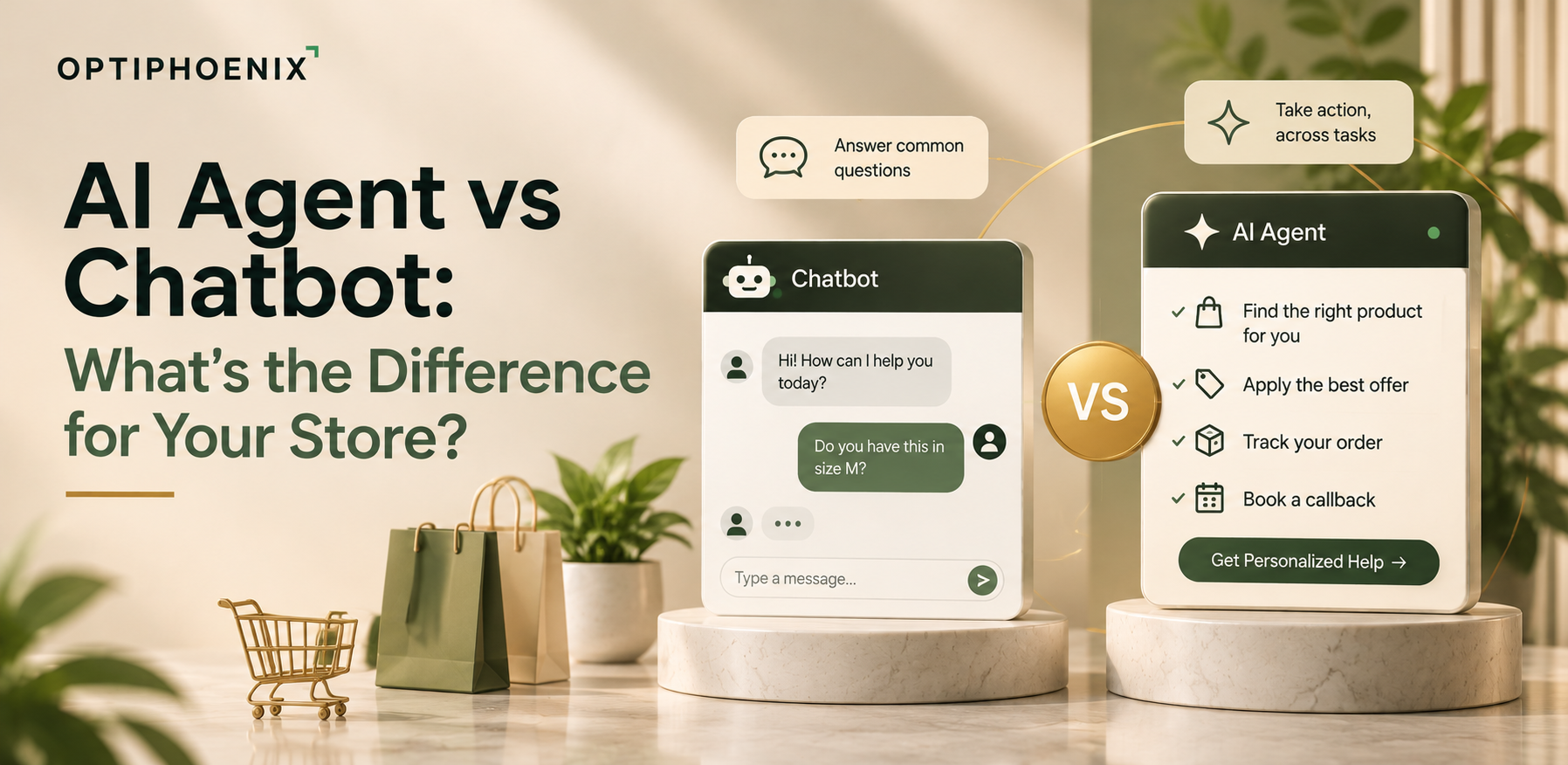
AI Agent vs Chatbot: What’s the Difference for Your Store?
Every day when you open your email or messaging app, what do you find?
Is it buy now/click here ads or marketing messages or product launch emails or discount emails, and so on?
If we look into it from a business perspective, then those messages imply the power of personalization. Sometimes it can be irritating while other times it can be informational for you.
In today’s digital age, customers are bombarded with overwhelming emails and messages every now and then. As a result, businesses are finding innovative ways to connect with their audience and build a loyal relationship with them.
To stay in touch with customers emotionally, personalization is used as one of the methods to achieve this.
Want to know how? Let’s dig deep to understand the impact of personalization on customer engagement and how it is helping businesses understand and cater to their customers.
Personalization is a marketing technique that involves tailoring content, products, and services to individual customers based on their specific needs, preferences, behaviors and personalization statistics.
As per the article by Forrester, personalized content is a focus for 89% of online firms. Major brands including Coca-Cola, Netflix, Fabletics, Sephora, and Wells Fargo are among these firms.
This indicates that personalization is a powerful tool to improve your marketing efforts and boost your conversion rates.
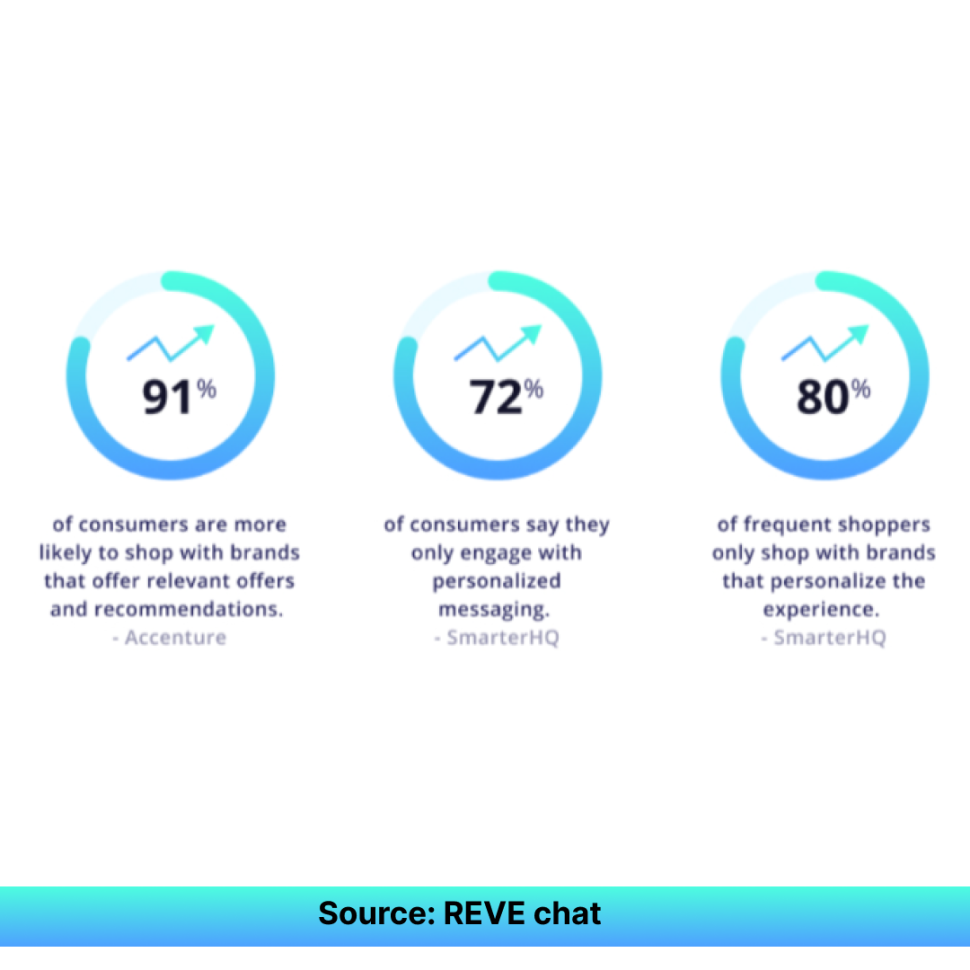
By using personalization, businesses can create a meaningful and relevant experience for their customers, leading to higher engagement, loyalty, and increased conversion rates. According to the Epsilon study, 80% of customers are willing to do business with a company that gives personalized experiences.
Personalization is important for businesses because it can result in improved consumer engagement, higher conversion rates, and, eventually, greater success. The following are some important reasons why personalization is important for businesses:
Building relationships with the target audience and assisting them in their journey is known as lead nurturing.
According to a report by MarketingSherpa, converting qualified leads into paying customers is a top funnel objective for 57% of B2B firms.
Businesses can boost the market conversion rate by using personalization to provide relevant and engaging experiences for their leads.
By leveraging personalized content and communication, businesses can address single users’ concerns and interests. They can provide users with the insights and resources that they need to make smart purchase decisions.
B2B personalization helps organizations gain the trust of their customers by explaining the brand’s commitment to addressing their specific requirements.
For example, a business that sells conversion optimization software and services can create a personalized email campaign that targets small business owners who are struggling with managing their inventory. By providing helpful tips, case studies, and product demos, the business can cater to the needs of small business owners.
Brand loyalty is the emotional connection that customers have with a particular brand. Personalization can play a key role in building brand loyalty by creating a more meaningful and memorable customer experience.
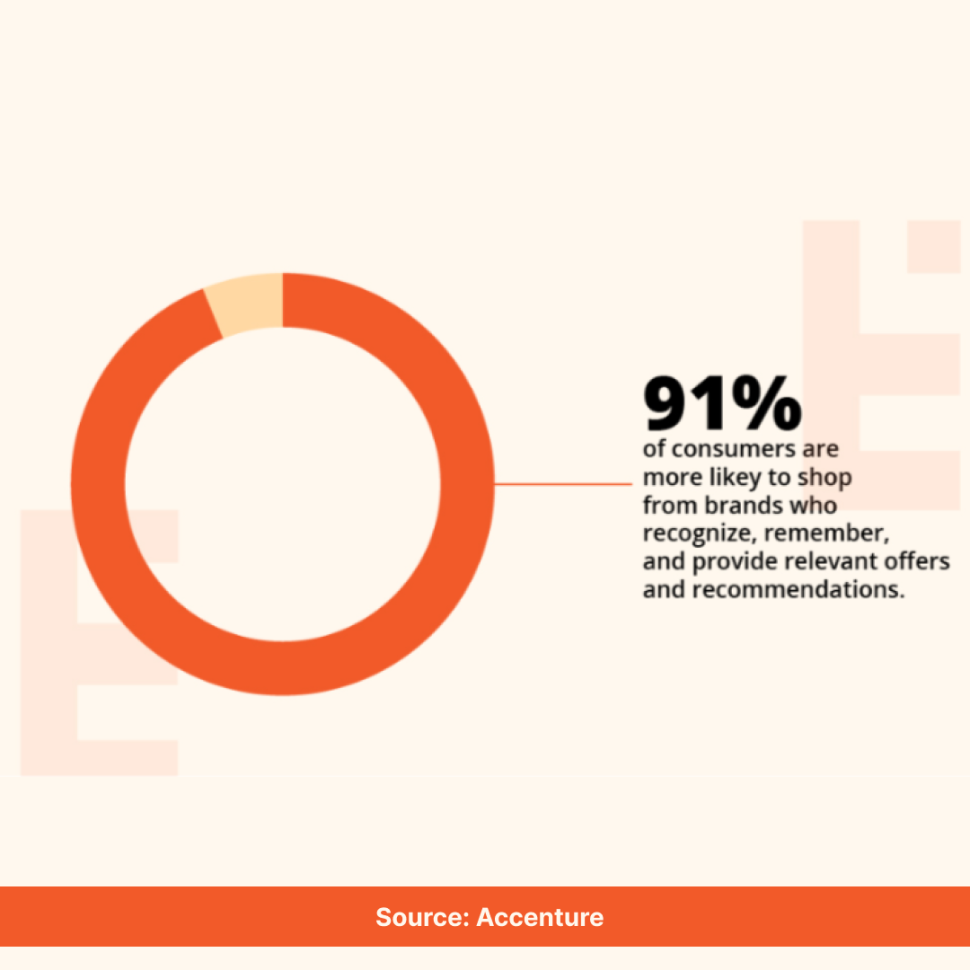
According to a survey by Accenture, 91% of consumers are more inclined to make purchases from brands that acknowledge, remember, and give relevant offers and referrals to them.
By tailoring offerings to the customers’ specific needs and preferences, businesses can create a sense of exclusivity and belonging that fosters long-term loyalty. Personalization helps businesses create a consistent and cohesive brand image across all touchpoints, hence strengthening the emotional bond between the brand and its customers.
For example, an e-commerce cosmetic store can personalize its loyalty program by offering exclusive discounts and promotions to customers (based on their purchase history and preferences). By making customers feel special, the business can build a loyal customer base that is more likely to recommend the business to others.
Conversion rate is the percentage of website visitors who take a certain action, such as filling out a form or making a purchase. Personalization significantly impacts the conversion rate by creating a relevant and compelling experience for visitors.
As per Epsilon, 80% of customers are more inclined to buy from a company that offers personalized experiences. By using personalized content and messaging, businesses can address their target audience’s specific needs and pain points, which can increase the likelihood of conversion.
E-commerce personalization can also help businesses to reduce bounce rates and cart abandonment by creating a more engaging and personalized user experience.
For example, an online clothing retailer can use a customer’s purchase history and visitor behaviour analytics to recommend products that are more likely to appeal to them. By providing personalized recommendations, businesses can increase conversion rates and the chances of the customer making a purchase.
Revenue growth is the ultimate goal of any business, and personalization can help achieve this goal by creating a more satisfying and valuable customer experience.
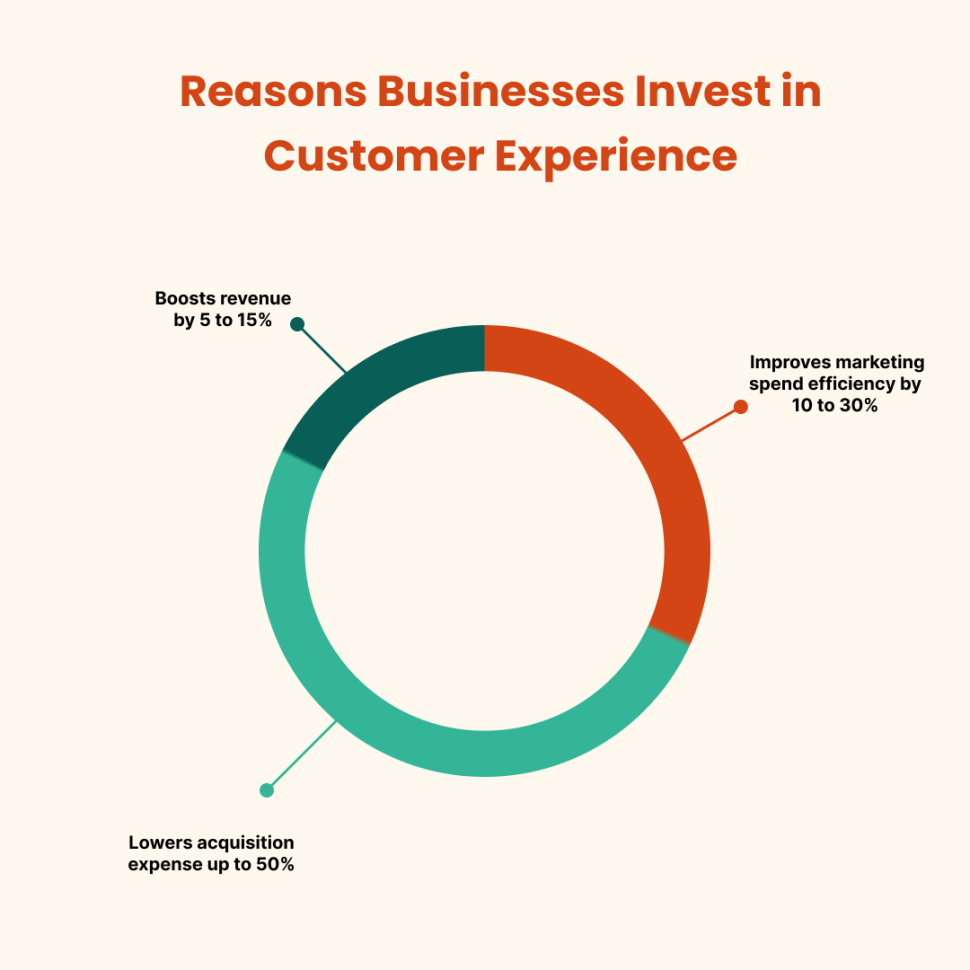
According to Mckinsey’s personalization statistics report, personalization can boost revenues by 5 to 15%, lower acquisition expenses by up to 50%, and improve marketing spend efficiency by 10 to 30%.
Using personalization to generate higher revenue can create a more profitable business that can serve your customers’ needs over time. Businesses can increase customer satisfaction and loyalty by tailoring their offerings to their customers’ specific needs and preferences, leading to higher lifetime value and repeat purchases.
For example, if you run an online clothing store, you might use personalization to recommend items to each customer based on their past purchase history and browsing behavior. You might also use personalization to offer personalized discounts or promotions to customers who have shown increased engagement with your brand.
Understanding why personalization is important for creating personalized experiences that meet the customer’s needs and preferences. Personalization can help businesses gain valuable insights into their customers by collecting and analyzing their behavior, preferences, and feedback.
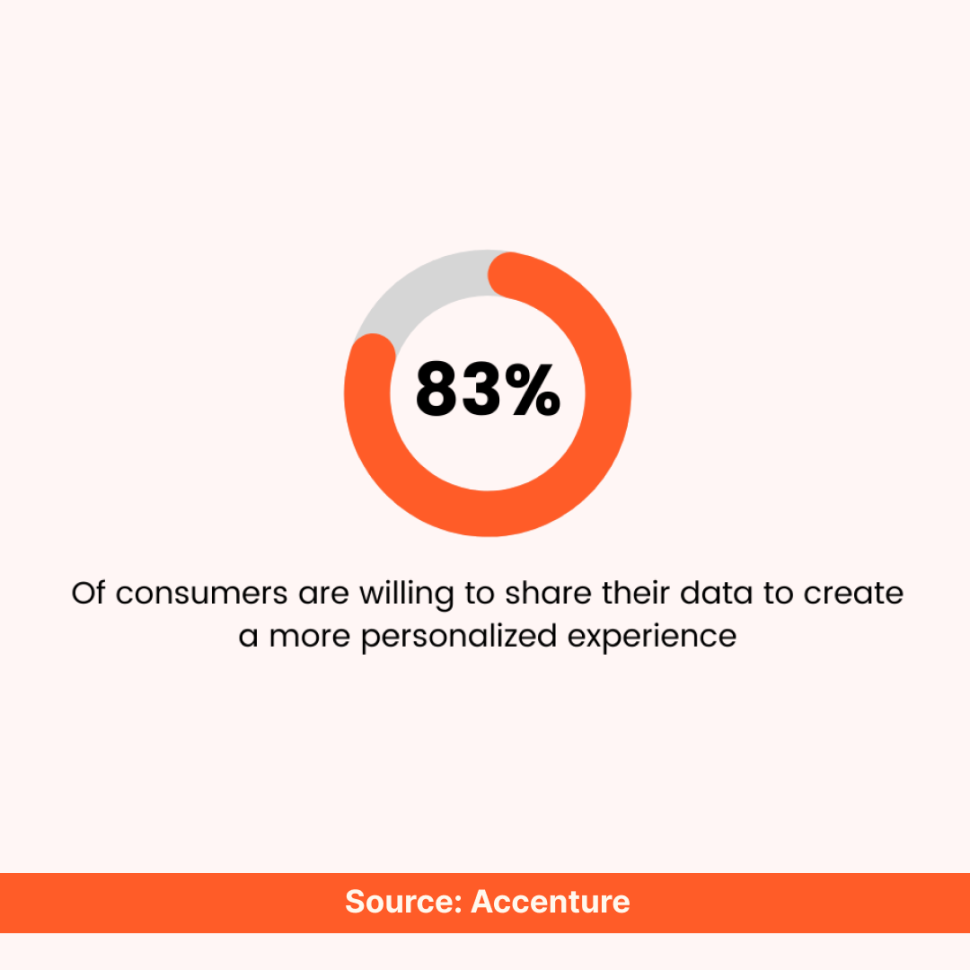
According to a survey by Accenture, 83% of customers are willing to provide their data to get more personalized experiences. By using data analytics, businesses can identify patterns and trends in customer behavior to build their marketing and communication strategies.
Personalization can also help businesses identify and address customer pain points and barriers to conversion, improving the overall customer experience, and increasing the likelihood of repeat business.
For example, an e-commerce business might analyze website data to determine which products are most popular and which pages are visited frequently. This information can be used to personalize the customer experience by recommending similar products or creating targeted marketing campaigns to boost the market conversion rate.
Personalization can also be an effective strategy for customer retention.
By creating a personalized experience for each customer, businesses can create a strong emotional connection that can lead to repeat purchases and long-term loyalty.
According to a study by Frederick Reichheld of Bain&Company, a 5% increase in customer retention rates increases profitability by 25%.
By providing a personalized and rewarding experience, businesses can create a strong emotional connection with their customers and increase the likelihood of repeat purchases and long-term loyalty.
Additionally, businesses can personalize the post-purchase experience by sending personalized thank-you notes or follow-up emails. Customers shop three times more frequently, if they like businesses that provide personalized experiences.
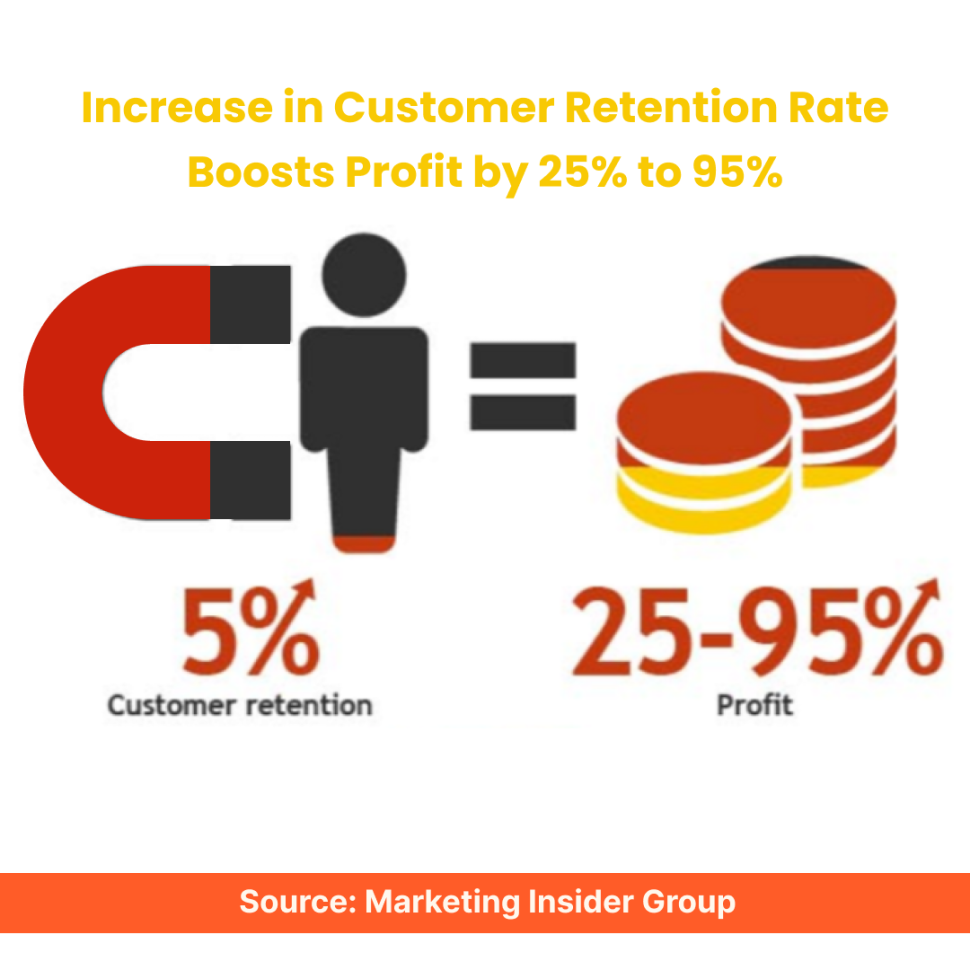
For example, an e-commerce store can offer a personalized loyalty program that rewards customers for their loyalty and encourages them to keep coming back. This can be achieved by offering exclusive discounts, early access to new products or services, personalized offers, and rewards for social sharing and referrals.
Engagement and feedback are two critical components of any successful marketing strategy.
Engaged customers are more likely to make a purchase, while feedback can help businesses improve their products and services.
Personalization can play a role in both of these areas. It can increase engagement by tailoring marketing messages to individual customers.
According to a SmarterHQ survey, 72% of consumers only interact with personalized communications. When customers feel valued and understood, they’re more likely to provide feedback on their experiences.
Businesses can use this feedback to improve their products and services, which can ultimately lead to increased customer satisfaction and loyalty.
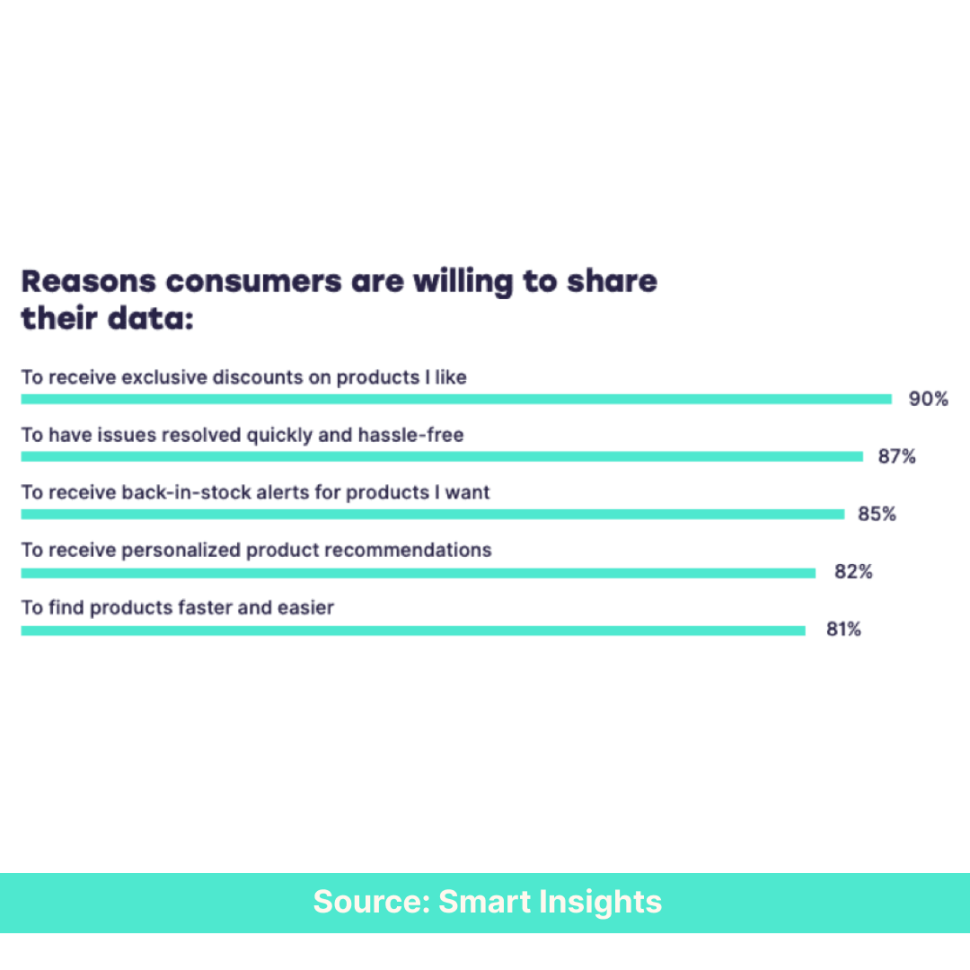
For example, businesses can use data to create personalized emails that speak directly to a customer’s interests or needs. Additionally, businesses can use personalization to create targeted social media campaigns that resonate with specific customer segments.
With the help of feedback, if customers are asking for a particular type of clothing or style, businesses could use this feedback to inform their product development and marketing strategies.
With the rise of e-commerce and digital marketing, e-commerce personalization has become a crucial strategy for businesses.
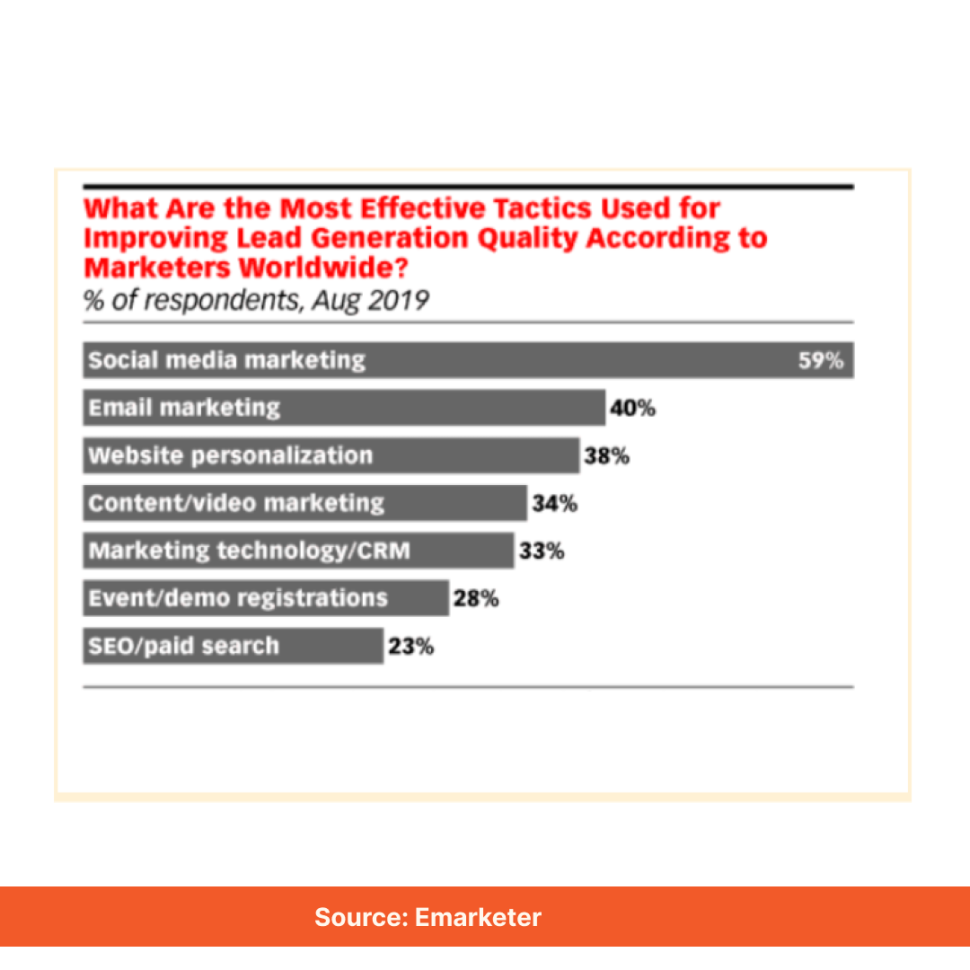
According to Econsultancy’s survey, 23% companies use website personalization to improve conversion rates. By understanding and anticipating the needs of the customers, businesses can create a more personalized and engaging experience that drives conversions and increases revenue.
According to the article- How Marketers Can Personalize at Scale, personalization can increase revenue by 5 to 15%, lower acquisition expenses by up to 50%, and improve marketing spend efficiency by 10 to 30%.
Here are seven simple but effective ways to use personalization to improve user engagement rate:
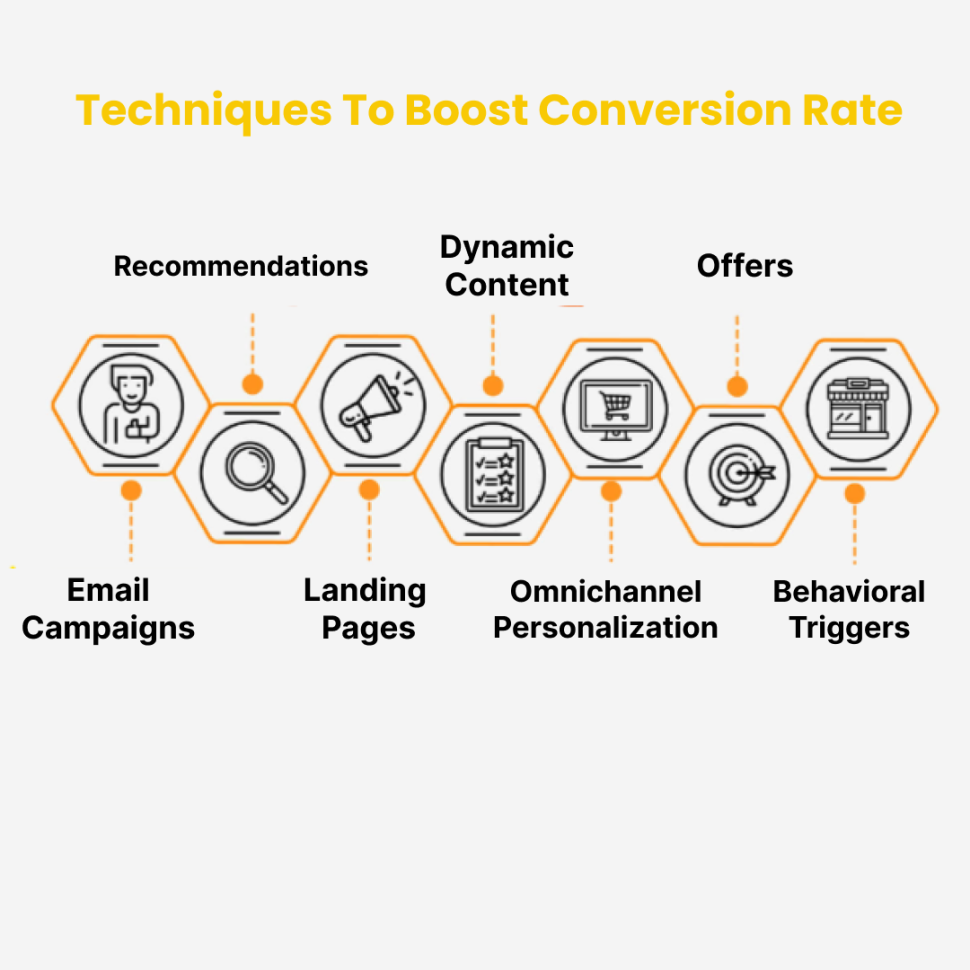
Email marketing is a powerful tool that businesses can use to connect with customers.
In a Hubspot survey, 95% of B2B marketers said their B2B personalization email marketing strategy successfully achieved their company’s objectives for 2021.
However, to make the most out of email marketing, businesses need to personalize their messages based on their customer’s preferences and behaviors.
Tailored email campaigns involve sending customized emails to customers based on their purchase history, browsing behavior, and other relevant data. By doing this, businesses can increase personalization at scale, making emails more likely to be opened, read, and acted upon.
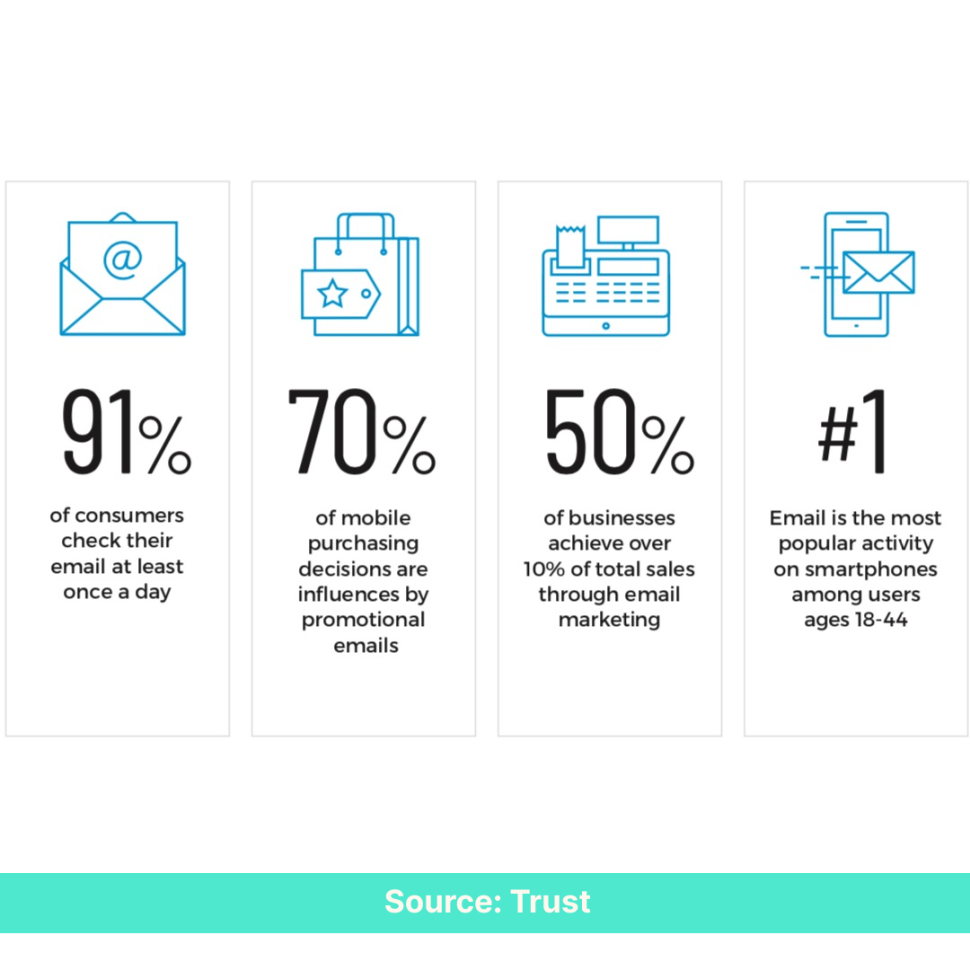
In order to implement tailored email campaigns effectively, businesses need to deeply understand their customer’s behavior, preferences, and needs. They can use this information to segment their audience and create targeted email campaigns that resonate with each group.
One of the most effective ways to increase conversion rates is by offering customers personalized recommendations. This involves analyzing customers’ past behavior, preferences, and purchase history to suggest products or services that are relevant to their needs.
Personalized recommendations can be provided through various channels, including email, website, and mobile app.
By making use of relevant conversion marketing tactics and facts, businesses can improve the customer experience, thus increasing the likelihood of customers making a purchase.
Landing pages are an essential component of any digital marketing campaign. They are designed to improve user engagement by providing customers with a clear and compelling call to action.
Custom landing pages take this further by personalizing the page content based on the visitor’s behavior, location, and other relevant data.
By providing visitors with a personalized experience, businesses can increase conversion rate, and engagement, reduce bounce rates, and optimize conversion rates. Custom landing pages can be used for various purposes, including lead generation, product promotion, and event registration.
For example, an online retailer can create custom landing pages for different product categories or promotions, directing customers to relevant products and offers section.
Dynamic content is a powerful personalization technique that can help businesses improve their conversion rates.
Dynamic content refers to web content that changes dynamically based on the user’s behavior or preferences. This means that each visitor on a website can be presented with personalized content based on their past behavior or other data points.
Businesses can use dynamic content to ensure that each customer is presented with the most relevant content and offers, leading to increase engagement and conversion rates.
For example, an e-commerce website can use dynamic content to display personalized product recommendations based on the user’s browsing history or purchase history.
Omnichannel personalization involves delivering a consistent and seamless customer experience across multiple channels, including websites, mobile apps, social media, and physical stores.
By providing a unified experience, businesses can create a more engaging and personalized experience for their customers, improving their satisfaction and loyalty.
To implement omnichannel personalization effectively, businesses must have a comprehensive view of their customer’s behavior and preferences, allowing them to provide a consistent experience across all touchpoints.
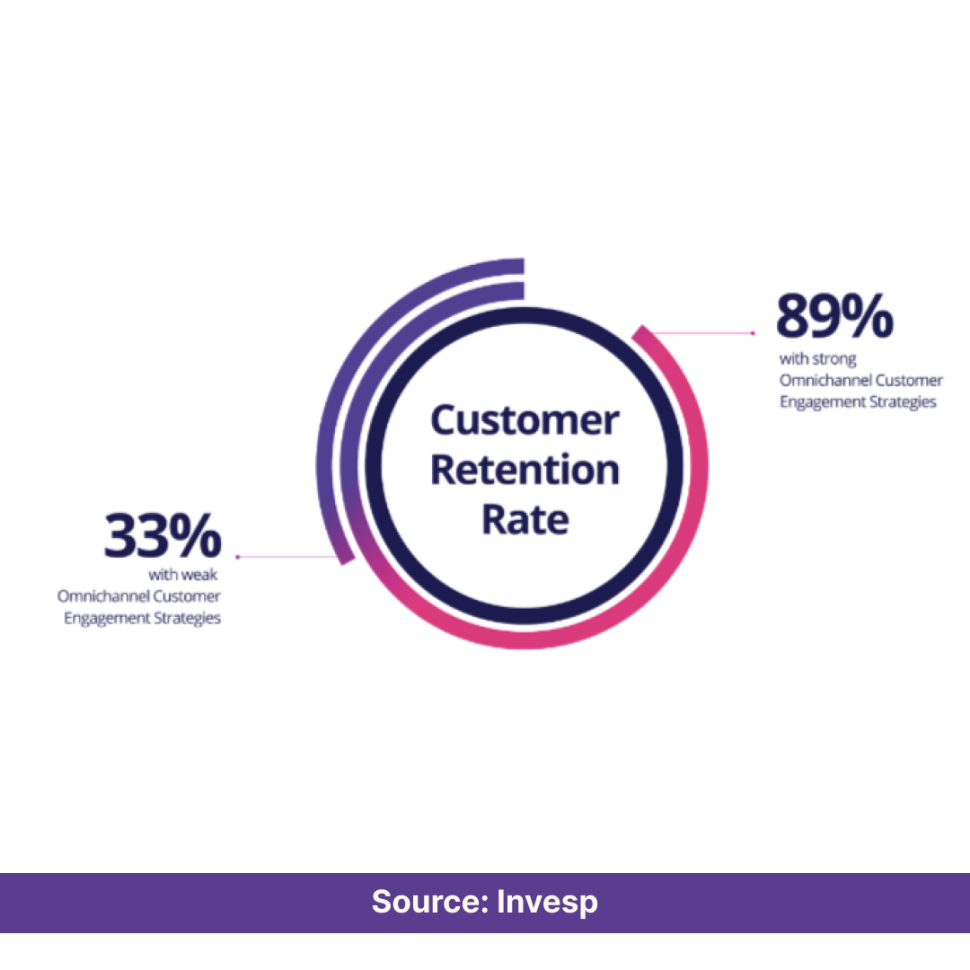
For example, a retailer can use customer data to create a personalized email campaign promoting a new product, directing customers to a custom landing page. The landing page can include personalized product recommendations, and customers can purchase on the retailer’s website or mobile app.
Customized offers involve providing customers with personalized discounts, promotions, or incentives based on their behavior or preferences.
By providing customized offers, businesses can incentivize customers to make a purchase, increasing their conversion rates.
Customized offers can also target specific customer segments, such as high-value customers or customers who have not made a purchase in a certain period. To implement customized offers effectively, businesses need to deeply understand their customer’s behavior and preferences, allowing them to provide relevant and compelling offers.
For example, a retailer can offer a discount code to customers who have previously abandoned their shopping carts or offer a free product to customers who have made a certain amount of purchase.
Behavioral triggers are a type of personalization technique that can help businesses boost their conversion rates by targeting users based on their behavior.
Behavioral triggers are automated actions triggered by specific user actions, such as abandoning a shopping cart or browsing a particular product category.
By using behavioral triggers, businesses can target users with relevant and personalized messages at the right time, increasing the likelihood of them taking action.
For example, an e-commerce website can use a behavioral trigger to send an automated email to a user who abandons their shopping cart, offering them a discount or other incentive to complete their purchase.
Behavioral triggers can also be used to personalize website content, such as displaying a message to a user browsing a particular product category for a certain amount of time. This can create a sense of urgency and encourage the user to take action.
Ecommerce personalization has become increasingly crucial for businesses looking to improve customer experience and drive revenue growth.
By tailoring marketing messages, product recommendations, and customer support to each customer’s preferences, businesses can create a more engaging and satisfying experience that builds loyalty and drives repeat business.
According to the Redeye report, 19% of marketers stated that implementing personalization was not challenging, while 35% said it was challenging.
However, there are various challenges associated with implementing effective personalization strategies. Below are some of the key challenges associated with personalization.
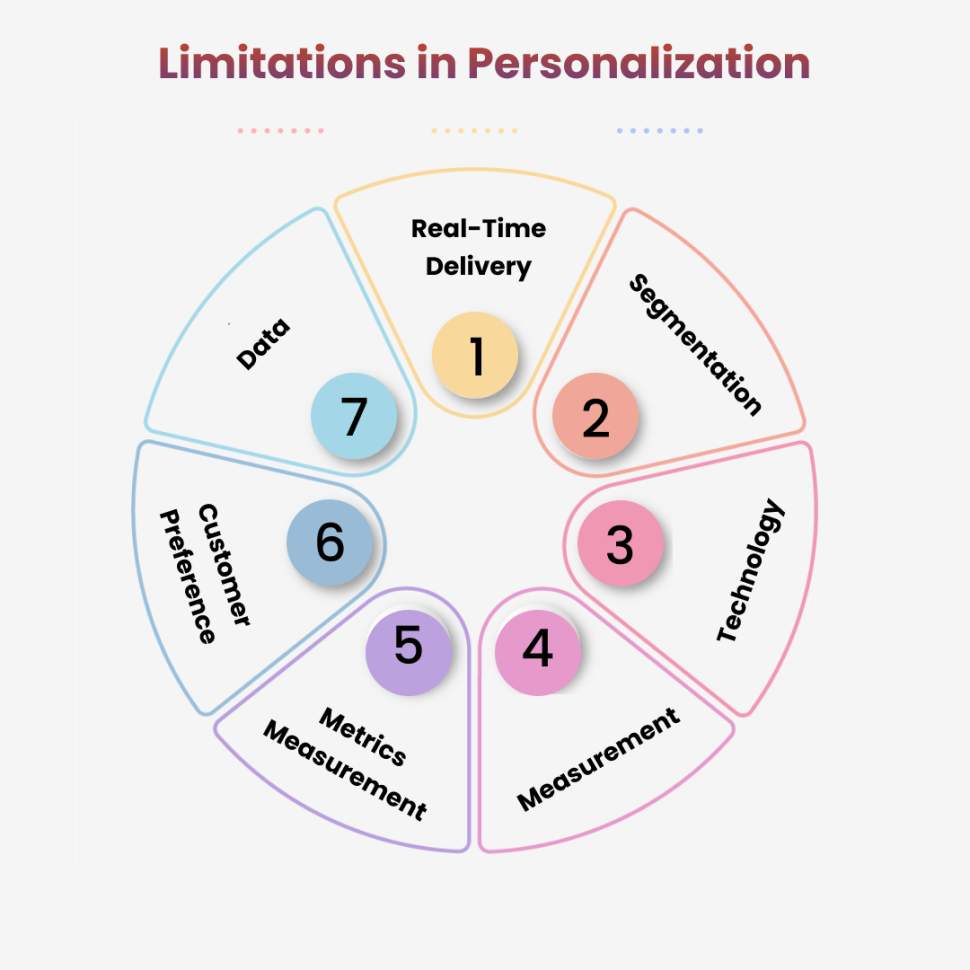
Data is the foundation of personalization. Without data, it is impossible to understand a customer’s behavior, preferences, and interests.
However, collecting and analyzing personalization statistics data can be challenging for organizations.
One of the main challenges is data quality. Organizations must ensure that their data is accurate, complete, and up-to-date. Data quality issues can arise due to human error, system glitches, or other reasons.
Another challenge in data is privacy. In the wake of data breaches and privacy scandals, customers are increasingly concerned about how their data is used. Organizations must ensure that they collect and use customer data transparently and ethically.
Personalization is most effective when delivered in real time.
Real-time personalization relies on real-time data to provide relevant content and recommendations to customers. If the data is outdated or irrelevant, the personalization will be ineffective. Organizations must collect and analyze relevant data in real-time to overcome this challenge.
Nevertheless, real-time personalization presents several challenges. One of the main challenges is the need for speed. Real-time personalization requires organizations to process large amounts of data quickly and accurately. This requires robust infrastructure and technologies like real-time data processing platforms and machine learning algorithms.
Segmentation is the process of dividing customers into groups based on shared characteristics or behaviors to tailor personalized experiences to each group.
Effective segmentation is crucial for personalization, as it enables organizations to target specific groups of customers with relevant and personalized messaging.
Segmentation presents significant challenges for organizations looking to implement effective personalization strategies.
One of the main challenges is the need for accurate segmentation. If the segmentation is inaccurate or incomplete, the personalization at scale will be ineffective.
Another challenge is the need for dynamic segmentation. Customer behavior and preferences can change over time, which means that segmentation must be dynamic and adaptable.
To overcome these challenges, organizations must invest in data analytics tools and technologies that enable accurate and dynamic segmentation. This includes using machine learning algorithms to segment customers dynamically based on their current behavior and preferences.
Technology challenges refer to the difficulties organizations face when implementing personalization strategies due to technological limitations.
Personalization relies heavily on technology, and technological advancements have enabled organizations to deliver highly personalized customer experiences.
Technology also presents significant challenges for organizations implementing effective personalization strategies.
One of the primary challenges is integrating data from various sources. Organizations must have a data management strategy to ensure that data is collected, stored, and integrated effectively. This requires advanced data analytics tools and a deep understanding of data management best practices.
Another challenge is the need for real-time data analytics. Personalization at scale requires real-time data analytics to adapt to changing customer behavior and preferences. Organizations must have advanced data analytics tools that can provide real-time insights into customer behavior and preferences, allowing them to adapt their personalization strategies accordingly.
Measurement challenges refer to the difficulties organizations face when measuring the effectiveness of their personalization strategies.
Measuring the impact of personalization on conversion is crucial for organizations to understand how their personalization efforts drive business success. It also makes data-driven decisions to optimize and improve user engagement strategies.
Still, measuring the impact of personalization presents significant challenges for organizations.
One of the primary challenges is measuring the impact of personalization on customer behavior. Personalization is intended to drive customer engagement, loyalty, and revenue. However, measuring the impact of personalization on these metrics is challenging, as it requires advanced data analytics tools to measure and analyze customer behavior.
Another challenge is measuring the return on investment of personalization. Personalization requires significant investments in technology, data management, and analytics. Moreover, organizations must ensure that their measurement strategies are actionable to ensure they get their RoI in personalization.
Metrics measurement challenges refer to the difficulties organizations face when identifying the most appropriate metrics to measure the effectiveness of their personalization strategies.
Identifying the right optimize conversion rate metrics is crucial for organizations to understand how their personalization efforts drive business success and make data-driven decisions to optimize their strategies. However, identifying the right metrics presents significant challenges for organizations.
One of the primary challenges is identifying metrics that accurately measure the impact of personalization on customer behavior. This is because it requires a deep understanding of customer behavior and the ability to link behavior with revenue.
Another challenge is identifying metrics that are relevant across different customer segments. Personalization strategies must be tailored to customer segments based on their behavior, preferences, and purchase history.
Change in customer preferences refers to changing needs the customers’ desire and expectations regarding the products or services they use.
As customers preferences change, organizations must adapt their personalization strategies to meet these changing needs. However, this is easier said than done and presents significant challenges for organizations looking to implement effective personalization strategies.
One of the main challenges is the speed at which customer preferences can change for conversion marketing with personalization.
With the rise of social media and online shopping, customers preferences can change rapidly, influenced by the latest trends or recommendations. This challenges organizations to have real-time insights into customer behavior to adapt their ecommerce personalization strategies accordingly.
Another challenge is the need for a deep understanding of customer preferences. Effective personalization requires a deep understanding of customer preferences, including their interests, behaviors, and needs. However, as customer preferences can be influenced by various factors such as demographics, location, and lifestyle, organizations must invest in customer research and analytics to comprehensively understand their customers.
In conclusion, the impact of personalization on conversion is critical in today’s digital marketing landscape.
By spending more than half of the budget on personalization, 83% of marketers observe increase in ROI in personalization.
Thus, this indicates that by understanding and catering to individual customers’ unique needs and preferences, businesses can create a more meaningful and relevant experience that can lead to increased engagement, loyalty, and increase in conversion rates.
By implementing personalized marketing strategies, you can create a more engaging and relevant experience for your customers, leading to increased conversion rates and business success.